Supreme Court Declines Urgent Listing of Plea Over 700 Per Cent Airfare Hike, Tells Advocate to Avoid Air Travel
The Supreme Court declined urgent listing of a plea alleging a 700 per cent airfare hike, orally telling the advocate not to travel by air. A separate petition on aviation regulation returns on November 16.
 Verdicto News Desk
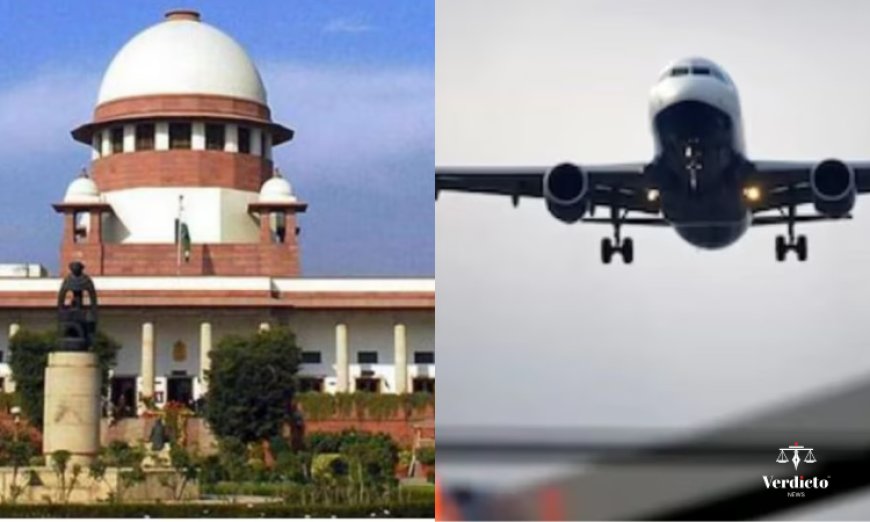
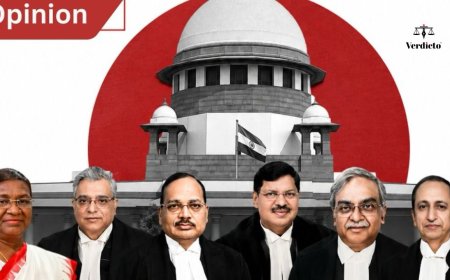
A bench of the Supreme Court on Monday declined to list urgently a plea alleging a nearly 700 per cent increase in airfares, with the bench remarking orally that the petitioner should not travel by air. The observation came when an advocate mentioned the matter before Justices Vikram Nath, Sandeep Mehta and Aparesh Kumar Singh.
The advocate told the bench that aviation fares had risen by 700 per cent. The bench’s response, as reported, was brief: “Don’t travel by air.” The advocate then argued that air travel is an essential service and that the surge amounted to a violation of Article 14, which guarantees equality before the law. No order granting urgent listing was passed, and the reported exchange does not indicate that the bench engaged with the Article 14 argument at this stage. An oral remark made while refusing to list a matter urgently is not a finding on the merits, and the plea remains to be heard in the ordinary course.
The refusal does not leave the issue without a forum in the Court. A separate petition by social activist S Laxminarayanan is already pending, seeking an independent regulator for civil aviation that ensures transparency and passenger protection, along with guidelines to control what it calls “unpredictable fluctuations” in airfares and ancillary charges levied by private airlines. The Court issued notice on that plea in November 2025, seeking responses from the Centre and others.
The bench hearing that petition has previously signalled concern. In January, the Court said it would interfere with unpredictable fluctuations in airfares and pointed to steep increases during festival periods. It described the exorbitant fare hikes as “exploitation” and asked the Centre and the Directorate General of Civil Aviation to file replies.
The regulatory track has moved in parallel. On August 17, the Centre told the Court that it had fast-tracked the framing of rules under the Bharatiya Vayuyan Adhiniyam, 2024, the legislation meant to modernise the sector’s regulatory framework. At the October 16 hearing, the Centre said administrative approval had been granted to the rules and that they were likely to be published within two weeks. The Court asked Solicitor General Tushar Mehta to place the published rules before it on the next date of hearing, November 16.
That date now matters most for the fare question. Whether the rules, once published, contain any mechanism addressing fare volatility or passenger protection, and whether the Court treats them as an adequate answer to Laxminarayanan’s prayer for an independent regulator, will shape what relief, if any, is available to passengers. The Article 14 argument raised on Monday, that an essential service cannot be priced without a check, is likely to resurface in that hearing, though it will have to be argued against the settled position that fare-setting in a deregulated market is an executive and regulatory domain.