China Jailed Its Biggest Defaulter India's IBC Was Never Built To
Evergrande founder Hui Ka Yan gets life for fraud in China. Verdicto compares this to how India's IBC and criminal law handle promoter accountability.
 Verdicto News Desk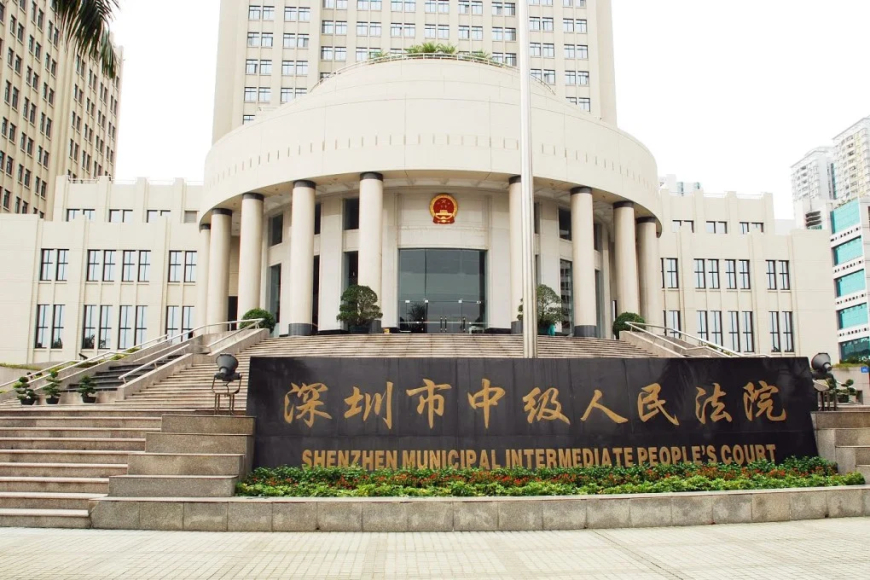
New Delhi, Aug 20: The Shenzhen Intermediate People's Court sentenced Hui Ka Yan, founder of China's Evergrande real estate group, to life imprisonment for large-scale fraud, alongside fines of 8.82 billion yuan on Evergrande Group and 7 billion yuan on Evergrande Real Estate — a combined penalty exceeding USD 2.3 billion. Hui, also known as Xu Jiayin, had pleaded guilty in April to charges including illegal absorption of public deposits, fraud and corporate bribery. Evergrande, once the world's most indebted property developer with liabilities exceeding USD 300 billion, collapsed after Beijing's 2020 crackdown on excessive borrowing in the real estate sector, a rupture that dragged the broader Chinese property market into crisis.
The verdict is notable less for its severity than for what it establishes as a matter of legal process: a criminal conviction, obtained through prosecution and a guilty plea, attached to the individual who founded and controlled the company. The corporate fines run alongside the personal sentence, not in place of it.
That sequencing has no real parallel in how Indian law has handled comparable collapses. When Amrapali Group defaulted on delivering housing to over 40,000 homebuyers, the Supreme Court's intervention produced receivership, forensic audits and eventual project completion under court monitoring — but the criminal cases against the Amrapali promoters, first registered in 2019, have moved slowly through trial courts, with the founders spending extended periods in custody without conviction. DHFL's promoters, the Wadhawans, face an ongoing CBI and ED prosecution over an alleged Rs 34,000-crore bank fraud, one of the largest in Indian banking history, but the matter remains at the trial stage years after the company was referred to insolvency proceedings under the IBC. Unitech's promoters were held in custody through contempt proceedings before the Supreme Court, a route that produced accountability optics without a fraud conviction attached to it.
The structural reason is that Indian law routes corporate collapse primarily through the Insolvency and Bankruptcy Code, a civil recovery mechanism designed to resolve creditor claims and revive or liquidate the corporate entity. It was not built to establish individual criminal culpability, and it does not. Parallel criminal proceedings under the IPC, PMLA or the Companies Act exist, but they run on separate, slower tracks, frequently outlasting the insolvency resolution itself. A promoter can lose control of the company through the NCLT while the criminal case against him remains at the charge-framing stage.
China's system, for its structural and procedural differences, closed that gap in the Evergrande case within roughly two years of the crisis becoming public, plea, conviction, sentence, delivered together. Indian promoters facing comparable allegations have, in several instances, secured bail, contested extradition, or seen prosecutions stall well past the point where the underlying company has already been liquidated or resolved. The insolvency process absorbs the scandal. The criminal process rarely catches up to it.