Supreme Court Puts 100-Metre Construction Ban Around Rajasthan’s Jojari River, Orders Wider Pollution Safeguards
The Supreme Court’s Jojari River order goes beyond a construction ban, creating interim ecological safeguards while exposing gaps in scientific flood-line mapping and river protection in Rajasthan.
 Verdicto News Desk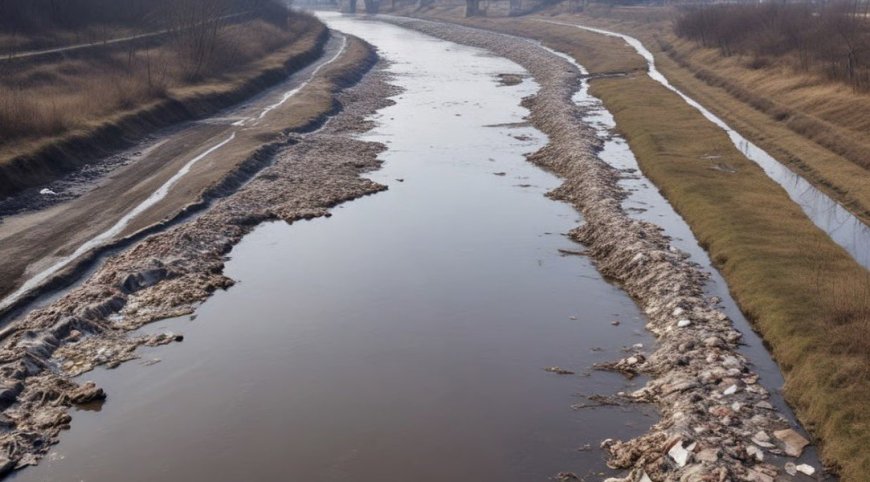
New Delhi, August 24, 2026: The Supreme Court has imposed an interim ban on all construction and development activity within 100 metres of the edge of the Jojari river in Rajasthan, citing the serious degradation of the river ecosystem and the need for immediate protection until scientific authorities determine the river’s high flood line and ecological buffer zones.
A Bench of Justices Vikram Nath and Sandeep Mehta passed the order on Monday while hearing a suo motu case concerning contamination of the Jojari river. The case has also brought the condition of Rajasthan’s Bandi and Luni rivers under the court’s scrutiny.
Why has the Supreme Court intervened?
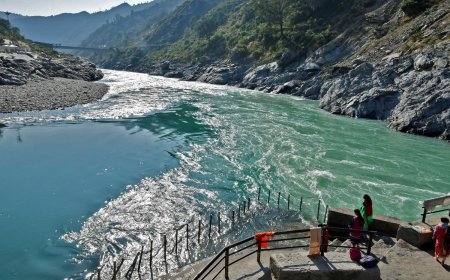
The Jojari is not an isolated river system. It passes through Jodhpur, while the Bandi flows through Pali and the Luni through Balotra. The Bandi and Jojari eventually merge with the Luni near Balotra.
The Supreme Court has been concerned not merely with individual instances of pollution but with the larger destruction of the riverine ecosystem.
One of the immediate problems is that the high flood line of the river has not yet been scientifically determined and demarcated. The high flood line is important because it indicates the area that may be reached by floodwaters and helps authorities determine where development should or should not be permitted.
In the absence of that scientific demarcation, the court has created an interim protective zone.
What exactly has the Court ordered?
The most immediate restriction is a 100-metre no-construction zone.
No construction or development activity of any nature can be undertaken within 100 metres from the edge of the Jojari river during the pendency of the scientific exercise to determine the high flood line and appropriate ecological buffer zones.
But the court has gone further where potentially polluting activities are concerned.
It has directed that hazardous industries or activities capable of causing pollution, contamination or other damage to the river ecosystem cannot operate within 500 metres on either side of the existing flood line, wherever such a flood line has already been identified.
Where the flood line has not been identified, the restriction will apply with reference to the present flow path of the river.
This distinction is important: the court has not treated construction and hazardous activities in exactly the same way. It has created a 100-metre interim construction buffer, while imposing a much wider 500-metre safeguard for potentially polluting activities.
Why does the order matter?
The significance of Monday’s order goes beyond stopping new buildings near the Jojari.
The Supreme Court has effectively recognised that waiting for a perfect scientific demarcation cannot mean leaving a degraded river ecosystem without protection.
The 100-metre restriction therefore operates as a precautionary measure until the scientific exercise is completed.
It also places pressure on the Rajasthan government to move from fragmented action to coordinated river protection. Earlier, on August 7, the Supreme Court directed the state government to constitute an Integrated Coordination Group (ICG) headed by the Chief Secretary to address contamination in the Jojari, Bandi and Luni rivers.
The court's intervention is particularly significant because pollution of these rivers has consequences beyond the river channels themselves. Unregulated industrial activity, untreated waste and development close to river corridors can affect water quality, flood pathways, soil and the wider ecological system.
What happens next?
The Supreme Court has made it clear that the 100-metre restriction is an interim safeguard, not the final determination of the river’s ecological buffer.
The scientific exercise to identify and demarcate the high flood line and requisite ecological buffer zones will ultimately determine the long-term regulatory framework.
The matter will next be heard on September 22. The detailed order is awaited.
For Rajasthan, the case could therefore become an important test of how environmental protection is balanced against construction and industrial development, particularly when scientific mapping of vulnerable river ecosystems is still incomplete.
At its core, the Supreme Court’s message is simple: development cannot be allowed to continue unchecked along a river whose ecological limits have not yet been scientifically established.