Hasdeo-Arand Coal Mining Gets Key Forest Clearance; 4.48 Lakh Trees May Be Felled in Chhattisgarh
The Environment Ministry’s Forest Advisory Committee has granted Stage-I approval for coal mining in Chhattisgarh’s Hasdeo-Arand forest, potentially leading to the felling of 4.48 lakh trees and raising ecological and tribal livelihood concerns.
 Verdicto News Desk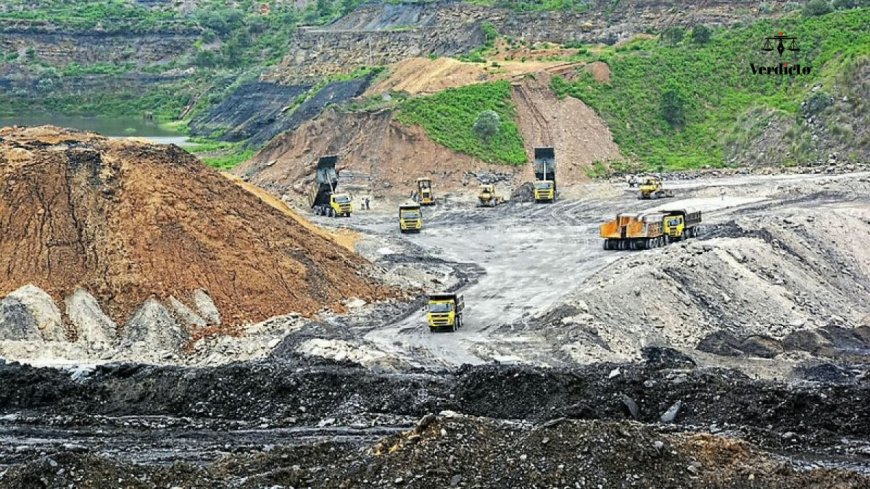
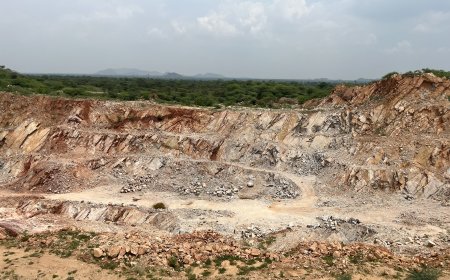
In a significant development with environmental and social implications, the Environment Ministry’s Forest Advisory Committee (FAC) has granted Stage-I (in-principle) approval for coal mining in Chhattisgarh’s Hasdeo-Arand forest, one of central India’s most ecologically sensitive forest landscapes.
The approval concerns the Kente Extension Opencast Coal Block in Surguja district, a project being developed by the Adani Group. The coal block was allocated to Rajasthan Rajya Vidyut Utpadan Nigam Limited (RVUNL) in 2015.
If implemented, the project would require the diversion of nearly 1,742 hectares of forest land and the felling of an estimated 4.48 lakh trees.
Ecologically Sensitive Region Under Pressure
Hasdeo-Arand is known for its dense Sal forests, biodiversity richness, and ecological significance. The landscape supports several protected wildlife species and functions as an important forest ecosystem in central India.
According to the FAC meeting records, the proposed mining site lies approximately 3.6 kilometres from the Lemru elephant corridor, with documented elephant movement reported in and around the project area.
The committee observed that mining activity could potentially disrupt elephant movement patterns and alter the ecological balance of the region.
Studies conducted by the Indian Council of Forestry Research and Education (ICFRE) and the Wildlife Institute of India (WII) also flagged concerns regarding soil and gully erosion risks associated with mining operations in the area.
Concerns Over Water Security and Forest Loss
Environmental groups argue that the scale of deforestation could trigger long-term ecological consequences beyond biodiversity loss.
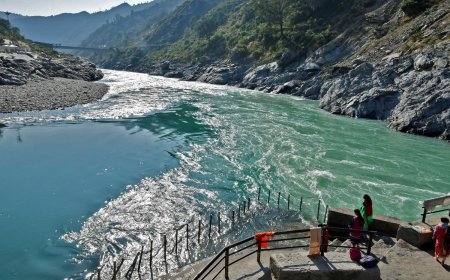
Speaking on the development, Alok Shukla of Chhattisgarh Bachao Andolan said the Charnoi river, originating in the proposed mining zone, acts as an important feeder to the Hasdeo river and the Bango Dam system.
According to activists, large-scale forest diversion in this catchment area could affect hydrological stability, potentially impacting downstream water availability and ecological resilience.
Concerns have also been raised over the implications for tribal communities, many of whom depend on the forest ecosystem for livelihoods and traditional practices.
Clearance Comes With Conditions
The FAC’s recommendation is a Stage-I clearance, meaning final forest diversion approval is yet to be granted.
The committee has attached multiple conditions to the approval process, including:
- Compensatory afforestation
- Phased mining operations
- Implementation of a site-specific wildlife management plan
- Compliance with biodiversity conservation measures recommended by ICFRE and WII
Under the approved framework:
- Phase I (first 15 years): Mining restricted to 1,001.95 hectares
- Phase II: Access to the remaining 740.65 hectares will depend on progress in reforestation and biodiversity management during the first phase.
The proposal is expected to remain under close scrutiny as environmental groups and local communities continue to raise concerns over its long-term ecological and social impact.