Can ISKCON Run PM-Poshan Meals? Calcutta High Court Seeks Bengal Government's Affidavit
The Calcutta High Court has sought West Bengal's stand on a PIL challenging ISKCON's proposed role in the PM-Poshan scheme, raising concerns over nutrition, SHG livelihoods and judicial review.
 Verdicto News Desk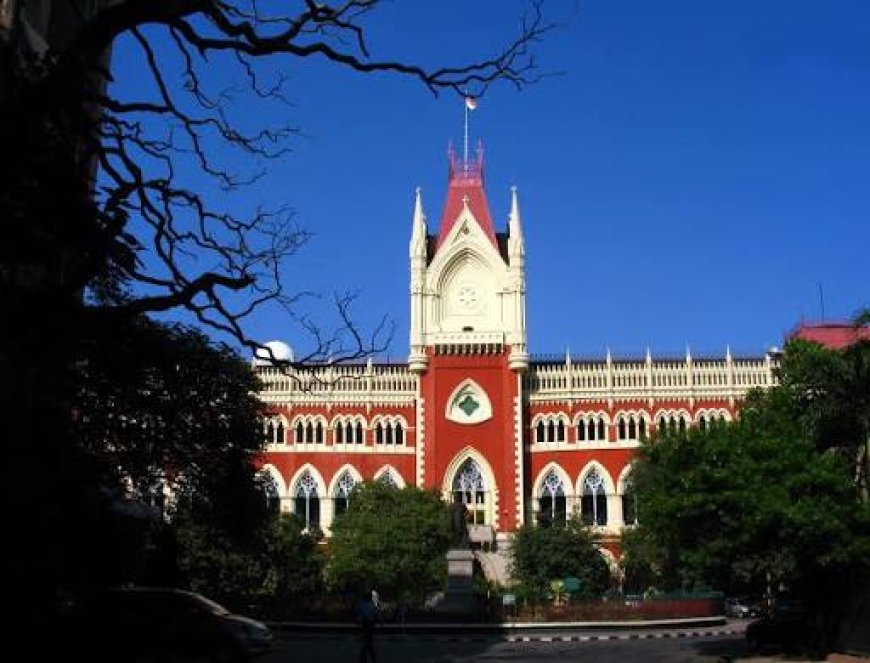
New Delhi, July 9: The Calcutta High Court's decision to seek the West Bengal government's affidavit on a PIL challenging the proposed involvement of ISKCON in Kolkata's PM-Poshan (mid-day meal) scheme is not merely a procedural order. It raises important constitutional and policy questions about judicial review, nutrition standards, women's livelihoods and the implementation of welfare schemes.
At this stage, the Court has not ruled on the legality of the proposal. Instead, it has asked the State to clarify whether any formal decision has actually been taken after the announcement regarding ISKCON's proposed role in providing meals in government-run and aided schools.
One of the central issues before the Court is whether the PIL is premature. The State government has argued that no notification or executive order has been issued and that the petition is based only on a statement made in the Assembly. Under Article 226 of the Constitution, High Courts generally review executive actions rather than proposed policies or political announcements. Courts usually intervene only after a decision has crystallised into an official act affecting legal rights.
However, constitutional courts have, in appropriate cases, entertained PILs even before implementation where a proposed government action appears imminent and could affect constitutional or statutory rights. By directing the government to file an affidavit instead of dismissing the petition outright, the High Court appears to be determining whether there is a concrete decision capable of judicial review.
Another important aspect is the role of NGOs in the PM-Poshan Scheme. During the hearing, the Court noted that the 2010 guidelines governing the Mid-Day Meal Scheme do not prohibit the participation of NGOs or centralized kitchens. The scheme expressly allows such models, particularly in urban areas where schools may not have adequate cooking infrastructure.
The legal controversy, therefore, is not whether ISKCON can legally participate in the scheme. The real question is whether the proposed implementation would compromise the objectives of the programme or adversely affect beneficiaries and existing stakeholders.
The petitioners have expressed concern that if ISKCON operates the kitchens, students may no longer receive eggs as part of their meals. While no official decision to alter the existing menu has been announced, the issue highlights the broader debate over nutritional standards in public welfare programmes. The PM-Poshan Scheme prescribes minimum nutritional requirements but gives States flexibility in deciding menus according to local needs. If any future policy results in a reduction in nutritional value, it could invite scrutiny under Article 21, which guarantees the right to life, and Article 47, which directs the State to improve public health and nutrition.
The petition also focuses on the livelihoods of thousands of women associated with Self-Help Groups (SHGs), who currently prepare and distribute mid-day meals in schools across West Bengal. These groups are not merely service providers; they are part of a larger policy framework that combines child nutrition with women's economic empowerment. A shift towards centralized kitchens could significantly affect their employment, raising questions about whether efficiency in welfare delivery should come at the cost of community participation and local livelihoods.
For the State, centralized kitchens may offer administrative advantages, including standardised quality control, economies of scale and easier monitoring, particularly in densely populated urban areas. The government has also relied on the PM-Poshan guidelines, which permit public-private partnerships and centralized cooking facilities under certain conditions.
The High Court has not yet examined whether the proposed arrangement is legally valid. Its present focus is on establishing whether there is an official government decision at all. The affidavit sought from the State will clarify whether the proposal has moved beyond a political announcement and into the realm of executive action.
The outcome of this case could have implications beyond West Bengal. It may shape how courts approach challenges to proposed welfare policies, define the permissible role of NGOs in government programmes and balance administrative efficiency with nutritional standards and livelihood concerns. The next hearing, scheduled after four weeks, is expected to provide greater clarity on whether the controversy matures into a substantive constitutional challenge.