Environmental Groups, Citizens Write to CJI Over Remarks on Environmental Litigation
On International Day of Biodiversity, citizens and civil society groups wrote to the Chief Justice of India seeking withdrawal of remarks on environmental litigation, arguing that environmental scrutiny is part of constitutional democracy.
 Verdicto News Desk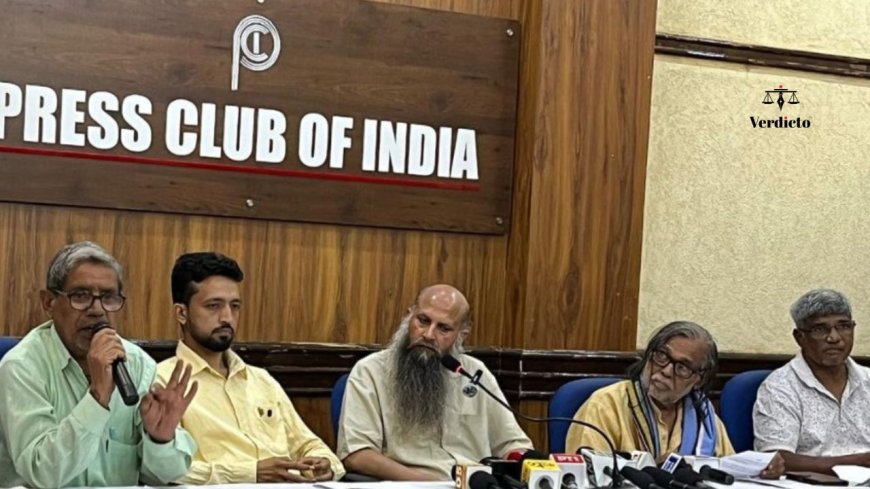
On International Day of Biodiversity, environmental groups, grassroots communities and citizens from across India gathered in New Delhi and released a public letter addressed to the Chief Justice of India (CJI), expressing concern over recent oral observations made during a Supreme Court hearing related to the expansion of Pipavav Port.
The letter argues that remarks questioning environmental litigation risk discouraging citizens from approaching courts to challenge environmental decisions and seek accountability.
According to the signatories, the concern arises from oral observations reportedly made during a hearing on 11 May 2026, where questions were raised about environmental activists and repeated legal challenges to development projects.
The letter, endorsed by citizens and civil society groups across India, states that environmental scrutiny should not be framed as anti-development, but understood as part of constitutional democracy.
‘Environmental scrutiny is a constitutional duty’
Among those addressing the gathering was Joseph Hoover, Managing Trustee of United Conservation Movement, Bengaluru, who said the remarks caused concern among environmental groups because they may create a perception that citizens raising environmental objections are acting against national development.
The signatories urged the Supreme Court to withdraw the oral observations and clarify that they should not be interpreted as the institutional position of the Court on environmental litigation or litigants.
Environmentalist Prafulla Samantara argued that the term environmentalist carries a positive constitutional meaning rather than being a label of obstruction.
He referred to Article 51A(g) of the Constitution, which makes protection and improvement of the environment a fundamental duty of citizens.
The groups argued that citizens who approach courts over environmental concerns are exercising constitutional rights and fulfilling civic responsibilities—not obstructing governance.
Development and environment cannot be treated as opposites
Speakers also challenged the idea that environmental litigation routinely blocks development.
Representatives from Uttarakhand, Rajasthan and Haryana argued that environmental safeguards exist to ensure projects are legally approved, scientifically assessed and socially accountable.
They pointed to ecological pressures across regions including the Himalayas, Aravallis, Western Ghats and coastal ecosystems, saying environmental damage increasingly affects water security, livelihoods and climate resilience.
According to participants, development that bypasses environmental law cannot automatically be described as sustainable development.
Several speakers highlighted that communities often turn to courts only after repeated engagement with local authorities fails.
‘Courts remain the last resort for affected communities’
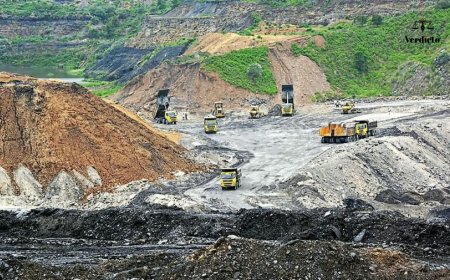
People affected by mining and industrial activity shared accounts of approaching authorities for years before seeking judicial intervention.
Activists defended the role of the National Green Tribunal, noting that Parliament established the specialised body to address environmental disputes and provide citizens with legal remedies.
Participants argued that environmental litigation should be viewed as a procedural safeguard that strengthens governance rather than weakens it.
A larger question for Indian democracy
The public intervention comes at a time when India faces increasing climate risks and ecological stress.
For the groups behind the letter, the issue extends beyond one hearing: whether citizens can continue to approach courts without fear that environmental concerns will be dismissed as opposition to development.
Their message to the judiciary was clear—constitutional democracy depends not only on development, but also on preserving the legal space for citizens to question how that development takes place.
As India balances economic growth with ecological protection, the debate may increasingly centre on one question: Is environmental scrutiny a barrier to development—or a condition for making development sustainable?
📌 Follow us on YouTube, Instagram, and Twitter for more updates.