Why PM Modi Asked Indians To Avoid Buying Gold For A Year?
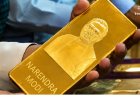
Prime Minister Narendra Modi urged Indians to avoid buying gold for a year, reduce fuel consumption and limit non-essential foreign travel amid the escalating West Asia crisis. Here’s why the government is concerned about India’s economy, foreign exchange reserves and rising import pressure.
 Verdicto News Desk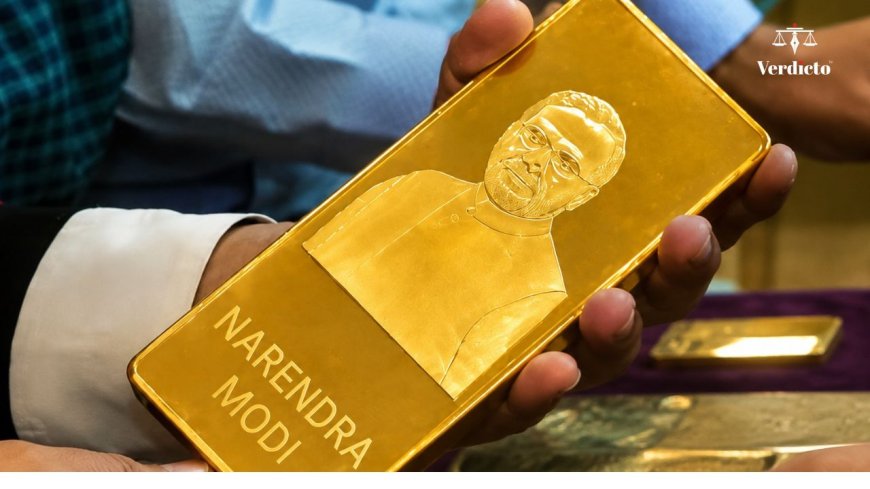
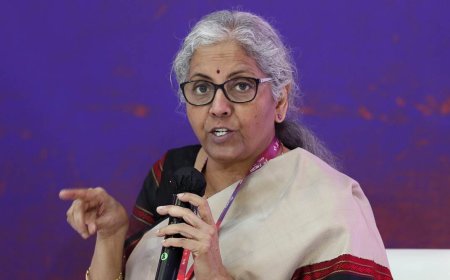
Prime Minister Narendra Modi on Sunday appealed to citizens to temporarily reduce non-essential consumption, including gold purchases, fuel usage and foreign travel, as global geopolitical tensions continue to rise due to the escalating conflict in West Asia.
Addressing a public gathering in Hyderabad, the Prime Minister urged people to adopt measures that could help India conserve foreign exchange reserves and reduce dependence on imports during uncertain global conditions.
“We have to take resolutions, keeping the country above all else,” Modi said while calling on citizens to increase the use of public transport, metros, electric vehicles, carpooling and railways for transportation of goods.
He also suggested reviving some Covid-era practices such as work-from-home arrangements and virtual meetings to cut fuel consumption.
Why Is The Government Concerned About Gold Purchases?
India is one of the world’s largest importers of gold. Since the country imports most of its gold using foreign currency reserves, mainly US dollars, a rise in gold imports can increase pressure on India’s external finances during global instability.
At a time when crude oil prices are volatile due to the US-Iran conflict and shipping routes in West Asia face uncertainty, the government appears focused on protecting India’s foreign exchange reserves.
Gold imports significantly contribute to India’s trade deficit. Economists argue that reducing non-essential imports, even temporarily, can help stabilise the rupee and reduce pressure on the economy during international crises.
Fuel Consumption And Foreign Exchange Pressure
The Prime Minister also linked fuel consumption directly to India’s dependence on foreign currency.
“Use metros wherever metros are available. Use carpooling to go to places, and use the Railways if you have to transport goods. All of this will reduce dependency on petrol and diesel, and thereby cut the dependence on foreign currency,” he said.
India imports a large portion of its crude oil requirements. Any spike in global oil prices due to geopolitical conflict can sharply increase India’s import bill and inflation levels.
Is The Government Preparing Contingency Measures?
Political and economic observers are interpreting Modi’s remarks as a possible indication that the government may be preparing contingency measures if the West Asia conflict escalates further.
Speculation has emerged around potential economic steps such as:
- Increase in gold import duties
- Rise in petrol and diesel prices
- Restrictions or tighter scrutiny on outward remittances
- Measures to curb non-essential imports
- Encouraging domestic consumption and local manufacturing
While the government has not officially announced any such decisions, Modi’s public appeal suggests that authorities are closely monitoring the economic fallout of global tensions.
The Larger Economic Message
The appeal also aligns with the government’s broader push for economic self-reliance and reduced import dependency.
By encouraging citizens to prioritise local products, reduce luxury consumption and conserve resources, the government appears to be preparing the public for a period of economic uncertainty linked to international geopolitical developments.
For many Indians, gold is more than jewellery — it represents financial security, tradition and investment. However, the Prime Minister’s remarks indicate that, during periods of global instability, personal consumption choices may also carry national economic consequences.
Follow Verdicto on WhatsApp for legal news and constitutional explainers.