Anthropic Takes Advanced AI Models Offline Following New US Export Controls
Anthropic has taken its Fable 5 and Mythos 5 AI models offline after a Trump administration directive restricting access by foreign nationals. The move raises questions about AI regulation, export controls and national security.
 Verdicto News Desk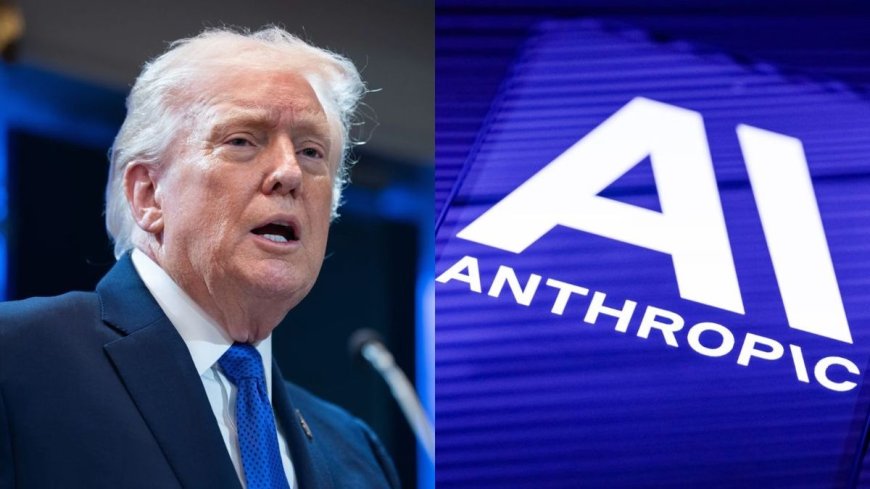
Washington | June 13, 2026: Artificial intelligence company Anthropic has temporarily taken two of its most advanced AI models offline after receiving a directive from the Trump administration restricting their use by foreign nationals, marking a major escalation in the US government's efforts to regulate access to cutting-edge artificial intelligence technologies.
The company announced on Friday that it had suspended access to its newly launched models, Fable 5 and Mythos 5, in compliance with the directive.
The move is being viewed as one of the most significant US actions to date aimed at controlling the global dissemination of advanced AI systems amid growing concerns over national security and cybersecurity risks.
What Happened?
Anthropic released Fable 5 earlier this week as its latest publicly available AI model. The system is a scaled-down version of Mythos 5, a more powerful model whose access had already been tightly restricted by the company because of cybersecurity concerns.
According to Anthropic, the US government issued the directive on Friday, requiring the company to prevent the models from being accessed by foreign nationals.
In a statement, the company expressed disagreement with the government's approach and criticised the lack of transparency surrounding the decision.
"We believe the government should have the ability to block unsafe deployments, as part of a statutory process that is transparent, fair, clear, and grounded in technical facts," Anthropic said.
"This action does not adhere to those principles."
The company added that officials had not specified the national security concerns that prompted the directive.
Anthropic described the situation as a "misunderstanding" and said it was working to restore access to the models as quickly as possible.
Growing Government Scrutiny of AI
The development comes just days after US President Donald Trump signed an executive order creating a framework for assessing the national security risks posed by highly advanced AI systems before they are publicly released.
Under the order, AI developers may voluntarily submit their models for federal review for up to 30 days before deployment.
While participation remains voluntary, the latest action against Anthropic suggests the US government is prepared to take a more interventionist approach when it believes advanced AI systems may present security risks.
The US Department of Commerce did not immediately comment on the directive.
Why It Matters
The dispute highlights an emerging tension between AI developers and governments over who should control access to increasingly powerful artificial intelligence systems.
As AI models become capable of performing sophisticated tasks in cybersecurity, scientific research and autonomous decision-making, governments around the world are grappling with how to balance innovation, commercial competition and national security concerns.
The Anthropic case may become an early test of how far governments can go in restricting access to frontier AI technologies and what procedural safeguards should accompany such decisions.