Citizens Need No Permission to Hoist the Flag, Neha Bora's Counsel Tells Delhi High Court
AISA president Neha Bora challenged a Delhi Police Section 126 BNSS peace bond notice in the Delhi High Court, with her counsel arguing citizens need no permission to hoist the national flag. Delhi Police objected to maintainability.
 Verdicto News Desk
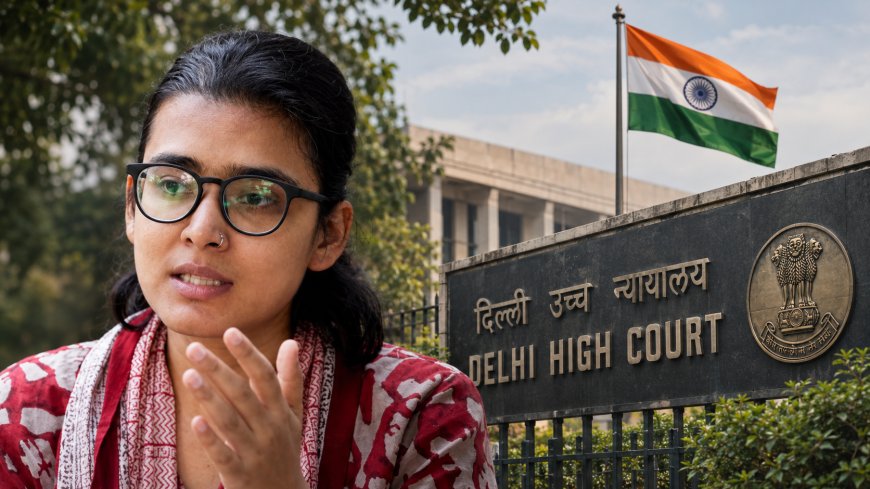
All India Students' Association (AISA) president Neha Bora on Thursday challenged before the Delhi High Court a Delhi Police notice asking her to show cause before a Special Executive Magistrate why she should not execute a peace bond. Her counsel told Justice Subramonium Prasad that the notice, which faulted her for hoisting the national flag without permission, rests on a requirement that does not exist in law.
Appearing for Bora, senior advocate Gopal Sankaranarayanan asked whether the notice "has substance" and submitted that citizens do not need permission to hoist the national flag. He added that the police "need a class on law". Additional Solicitor General Chetan Sharma, appearing for Delhi Police, objected to the maintainability of the petition. The objection was recorded at the hearing, and the court's response is not covered in the material available to this report.
The notice, dated October 17, was issued under Section 126 of the Bharatiya Nagarik Suraksha Sanhita (BNSS) and asked Bora to appear before the Special Executive Magistrate (SEM) on October 19 to show cause why she should not execute a personal bond of Rs 10,000 with one surety for keeping the peace during the period of inquiry. Section 126, the BNSS provision for security for keeping the peace, empowers the SEM to require such a bond where there is credible information that a person is likely to breach the peace, disturb public tranquillity or commit a wrongful act that may cause such a disturbance. According to Bar & Bench, Bora's plea says the notice was also issued under Sections 130 and 135(3) of the BNSS, citing apprehensions of a breach of public peace and tranquillity.
Bora was taken into preventive detention on October 16 while on her way to join the Cockroach Janta Party's "Lehra Do Tiranga" march, and was released the next day. She has been at the forefront of protests against alleged irregularities in the Election Commission's Special Intensive Revision (SIR) of electoral rolls. In her petition she seeks quashing of the notice and a direction that the police take no coercive action against her.
The written grounds go beyond the flag argument. The petition, settled by advocate Abhik Chimni, describes the notice as vague, factually incorrect and devoid of material to substantiate any "likelihood" of a breach of peace, and says its reference to disregard of prohibitory orders under Section 163 BNSS identifies no specific order or incident. The notice cited allegations of sloganeering at Mandi House, repeated protests around Jantar Mantar despite Section 163 orders, and alleged instigation of people to join a protest at Connaught Place. The plea argues that every one of these allegations concerns peaceful protest, that the notice discloses no likelihood of a breach of the peace, which it calls the jurisdictional fact for Section 126, and that proceedings under the chapter are preventive and not punitive.
The question before the court is therefore whether the material relied on by the police amounts to the credible information of a likely breach that Section 126 requires, and whether a failure to seek permission to hoist the national flag can supply it. Delhi Police's position on the merits of the notice is not set out in the material available beyond the maintainability objection.