Rahul Gandhi Acquitted in Amit Shah Defamation Case, but the Reasoning Is What Matters
A Sultanpur MP-MLA court has acquitted Rahul Gandhi in the 2018 defamation complaint over his remarks on Amit Shah. Verdicto examines the conflicting accounts of the grounds, the Section 199 CrPC “aggrieved person” question, and what an appeal could involve.
 Verdicto News Desk
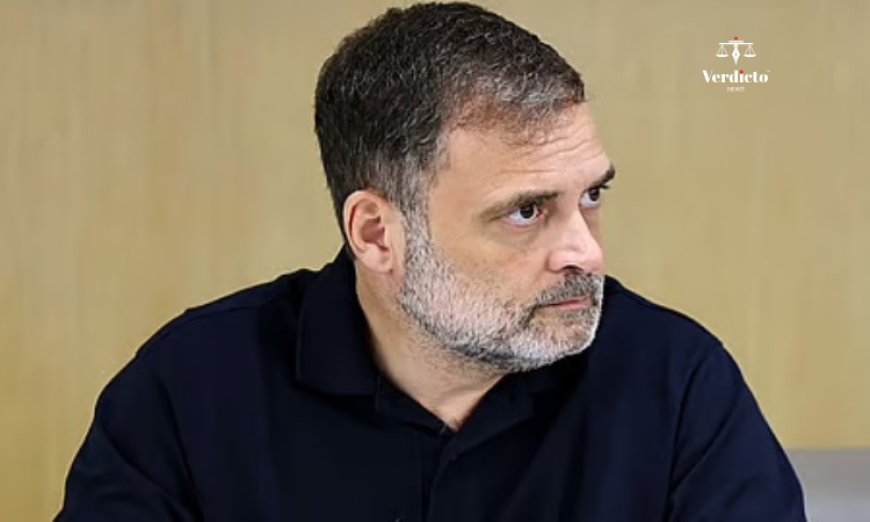
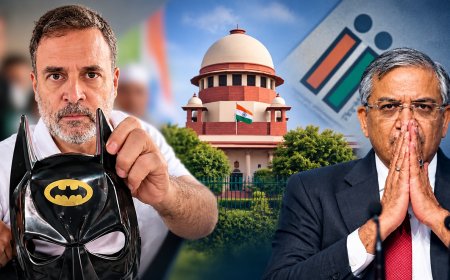
A special MP-MLA court in Sultanpur on Monday acquitted Congress leader Rahul Gandhi in a criminal defamation complaint over remarks he made against Amit Shah at a Bengaluru rally ahead of the 2018 Karnataka Assembly elections. Gandhi, the Leader of Opposition in the Lok Sabha and MP from Raebareli, was present when Special Judge Shubham Verma pronounced the verdict. The headline outcome is straightforward. What the court actually held, and on which ground, is less so, because the only accounts so far come from the parties and not from the order itself.
The complainant’s lawyer, Santosh Pandey, told PTI the court found the statement was not defamatory and that his client, local BJP politician Vijay Mishra, was not the “aggrieved person”. Mishra described the outcome differently, saying Gandhi was acquitted for want of sufficient evidence. Those are different findings with different consequences. A finding of insufficient evidence is a verdict on proof. A finding that the words were not defamatory, or that the complainant had no standing, is a verdict on the law. Pandey also said the court had accepted a CD he submitted as evidence, which sits oddly beside an acquittal on evidentiary grounds. Until the certified copy is available, any account of the court’s reasoning rests on the lawyers’ paraphrases.
The standing question deserves attention. Section 199 of the Code of Criminal Procedure bars a court from taking cognisance of defamation except on a complaint by a person aggrieved. Mishra was not the person the remarks targeted. By his own account to the court, he was a BJP functionary who was pained by what he heard. Senior Advocate Abhishek Manu Singhvi told the Supreme Court in a separate Gandhi defamation case that only the aggrieved person can file a criminal defamation complaint, and the Court stayed the trial proceedings on 20 January 2025. That was an interim order in a different matter, a complaint by a BJP worker in Ranchi, and it did not decide the question. If the Sultanpur court has ruled that Mishra was not aggrieved, it applies the same principle at trial that the Supreme Court has so far treated as sufficiently arguable to stay proceedings. l
The remark itself is not in dispute. The complaint cites Gandhi’s assertion that the BJP, while professing clean politics, is led by a party president who is an accused in a murder case. Mishra told reporters in 2024 that he understood it as calling Shah a murderer. The background is that a special CBI court in Mumbai had cleared Shah in the 2005 fake encounter case about four years before Gandhi spoke. That bears on whether the imputation could be defended as true, or as made in good faith in the public interest, under the exceptions to Section 499 of the IPC. It is unclear whether the court reached those exceptions at all, which is another reason the written reasoning matters.
The procedural history is long. Mishra’s complaint was filed on 4 August 2018. Gandhi surrendered before the court on 20 February 2024 and was granted bail on two sureties of Rs 25,000 each. The next two and a half years were largely adjournments, including a deferral this month after the complainant’s lawyer fell ill. A criminal defamation complaint pending for eight years against the Leader of Opposition raises its own questions about how MP-MLA courts manage politically sensitive private complaints.
The matter is unlikely to end here. Pandey has said he will study the order and file in an appellate court after consulting his client. In a complaint case, an appeal against acquittal ordinarily lies to the High Court with special leave under Section 378(4) of the CrPC, so the Allahabad High Court is the likely forum. An appeal would turn on the same distinction: if the acquittal rests on standing, the High Court will examine the aggrieved-person question. If it rests on the evidence, that is a harder finding to disturb.
For Gandhi, the acquittal closes one of several criminal defamation proceedings against him. It is a different position from his Surat conviction in the Modi surname case, which the Supreme Court stayed on 4 August 2023. Whatever its political reception, the legal significance of Monday’s order will depend on which findings it contains