Bombay High Court's Gadkari Order Turns on an Old Colonial-Era Clause, Not a New Deepfake Doctrine
Bombay HC granted Nitin Gadkari leave to sue Meta, X and Google over deepfakes, but the order turns on Letters Patent jurisdiction, not a new ruling on AI content or defamation.
 Verdicto News Desk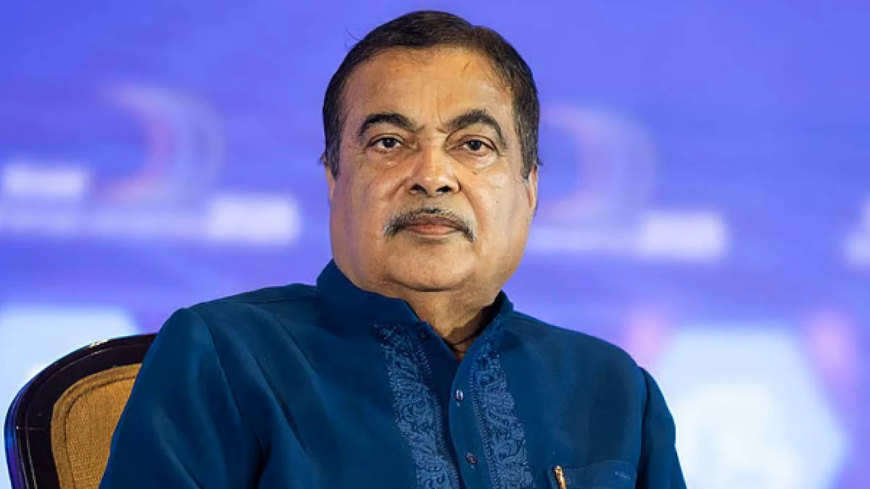
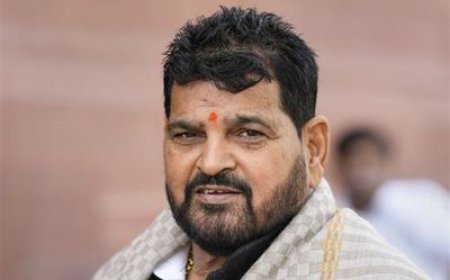
New Delhi, July 28: The Bombay High Court's order permitting Union Minister Nitin Gadkari to sue Meta Platforms, X Corp, Google LLC and unidentified others over allegedly defamatory deepfake content is, on its face, being read as part of India's expanding jurisprudence on AI-generated harm. That reading undersells what Justice Abhay Ahuja actually decided. The order is a leave-to-sue grant under Clause XII of the Letters Patent, a procedural threshold that determines whether the court may entertain a suit at all when part of the underlying cause of action arises outside its territorial jurisdiction. It says nothing yet about whether the content is defamatory, whether the platforms bear liability for third-party uploads, or what relief follows. What it does say is that a single judge found enough basis to let the suit proceed past the jurisdictional gate, and the basis offered was accessibility.
Clause XII survives from the Letters Patent that constituted the presidency high courts under British administration, and it remains operative for the Bombay, Calcutta and Madras High Courts in their original civil jurisdiction. The clause requires a plaintiff to obtain the court's leave before instituting a suit where the cause of action does not arise wholly within the local limits of the high court's jurisdiction, but only in part. Without that leave, the suit cannot be filed in that forum at all, regardless of how the substantive claim might otherwise be framed. The threshold inquiry at the leave stage is not whether the plaintiff will succeed but whether a prima facie case exists that some part of the cause of action arose within the territorial limits in question.
Gadkari's counsel, Sandeep Ladda, argued that the allegedly defamatory and deepfake material is publicly accessible to users in Maharashtra, and that this accessibility itself constitutes a substantial part of the cause of action arising within the state. Justice Ahuja accepted the submission and granted leave. The reasoning, on the facts reported, treats online availability to a jurisdiction's residents as sufficient to root part of the cause of action there, an approach that tracks a broader and still-developing trend in Indian courts toward treating digital accessibility as a proxy for publication within a forum, rather than requiring proof of where the content was uploaded, hosted, or authored from. Courts internationally have wrestled with versions of this question for two decades under different labels, from the "effects test" in cross-border defamation to the more targeted inquiry into whether content was specifically directed at a forum's audience. The Bombay High Court's order does not engage with that comparative doctrine explicitly, at least as reported, but the practical effect is similar: a plaintiff can anchor jurisdiction in the place where the content is read or viewed, not only where it originates.
This matters structurally because most deepfake and AI-generated content implicating Indian public figures is uploaded by unidentified persons, often outside India's territorial reach entirely, and hosted on platforms incorporated abroad. If courts require plaintiffs to establish where the offending upload physically originated before granting leave to sue, the practical remedy collapses, since that information is frequently unavailable at the pre-suit stage and may only emerge through discovery against the platforms themselves. By accepting accessibility within the forum as adequate for the leave threshold, the order preserves a workable path for plaintiffs against anonymous uploaders and intermediary platforms alike, without requiring them to first solve the attribution problem that the suit itself is partly designed to resolve.
The order also needs to be read distinctly from India's emerging line of personality rights cases, where courts have granted injunctions restraining unauthorised commercial or AI-generated use of a person's name, image, voice or likeness, framed as a proprietary or personality-based right rather than a reputational one. Gadkari's proposed suit is pleaded in defamation, resting on the claim that the content falsely attributes personal responsibility and financial benefit to him in connection with the ethanol-blended fuel programme, and seeks a permanent injunction on that footing. The distinction is not academic. Personality rights claims and defamation claims carry different elements, different defences, and different thresholds for interim relief, and conflating the two in early reporting risks overstating what any single order, including this one, has actually established.
What remains untested is the substantive claim itself, which will proceed to trial or interim application stage now that the jurisdictional bar has been cleared. The platforms named as defendants have not yet had occasion to respond on the merits, including on questions of intermediary liability under the Information Technology Act and the safe harbour protections available to them for user-uploaded content, which will likely form the central contest once the suit is actually filed and contested.