Delhi HC Won’t Be “Mute Spectator” As Dangerous Buildings Wait Out GRAP Restrictions
The Delhi High Court has directed the MCD Commissioner to constitute a high-powered committee, with the Chief Minister, to devise a mechanism for repairing, sealing or demolishing dangerous buildings during GRAP restrictions, citing the Satya Niketan and Chawri Bazar collapses. Listed for January 20.
 Verdicto News Desk
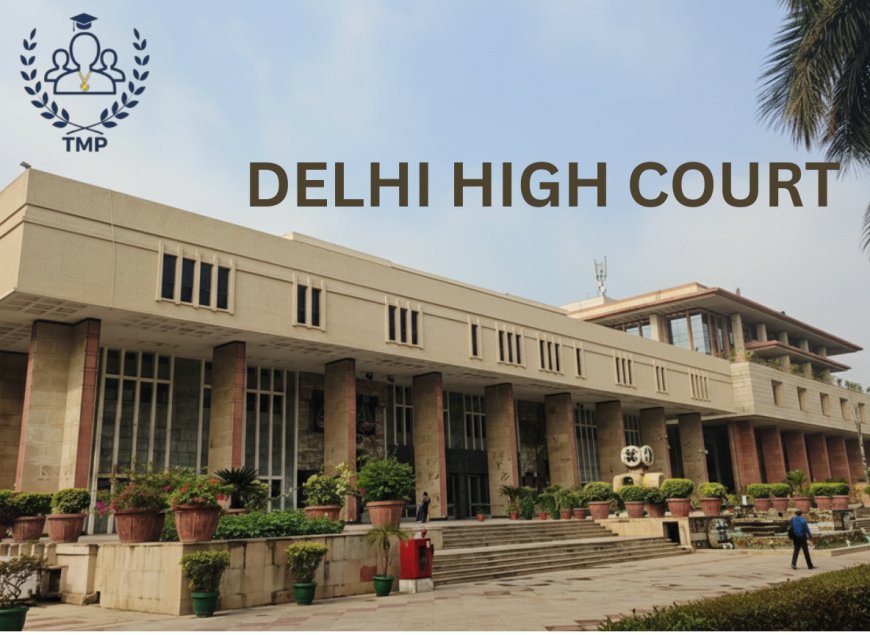
The Delhi High Court has directed the Commissioner of the Municipal Corporation of Delhi to constitute a high-powered committee, in consultation with Chief Minister Rekha Gupta, to address the repair, sealing or demolition of dangerous and dilapidated buildings while GRAP-related restrictions remain in force. In an order passed on November 6, Justice Saurabh Banerjee asked that the committee be constituted as expeditiously as possible, preferably within a week. The Court observed that because demolition activity is prohibited under the Graded Response Action Plan restrictions, civic authorities cannot take steps to remove such structures until February 10.
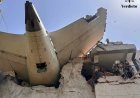
Justice Banerjee took suo motu cognisance of the imminent threat to the lives of occupants and owners of such buildings, as well as of passers-by and occupants of adjoining properties. Referring to tragedies such as the Satya Niketan building collapse, he remarked that the Court "cannot just remain a mute spectator." The Court accepted that directions issued under GRAP cannot be disregarded. It held, however, that rampant unauthorised construction within its jurisdiction exposes human lives to an imminent but avoidable danger, and pointed to a series of collapses in different parts of Delhi within a short span, including Satya Niketan and, more recently, Chawri Bazar, which cost numerous lives.
The committee has been asked to examine and formulate an effective alternative mechanism, "including but not limited to" sealing, repairing or controlled demolition, for buildings identified as dilapidated, structurally unsafe or dangerous, for as long as the GRAP restrictions subsist. The direction does not suspend the GRAP restrictions. It asks the authorities to design a way of dealing with unsafe structures within them.
The order was passed in a case where the MCD had issued a notice under Section 348 of the Delhi Municipal Corporation Act, which deals with the removal of dangerous buildings, for a property found to be in a ruinous condition. Anchoring its reasoning in the right to life, the Court said the right casts an obligation on the State to take reasonable and effective measures to protect human life from foreseeable dangers. In what the Court described as a precarious situation, the MCD cannot discharge that obligation merely by conducting inspections or issuing notices and leaving the underlying danger unaddressed until a tragedy occurs.
The Court has listed the matter for hearing on January 20 and directed that a copy of the order be sent to the Chief Minister and the MCD Commissioner.
The order follows two collapses. A multi-storey building at Satya Niketan, which housed a boys' paying-guest accommodation near Delhi University's South Campus, collapsed on September 6 while repair work was underway, killing seven people. On September 7, the High Court ordered a high-level MCD inquiry into that collapse and made clear that the government cannot evade responsibility. PTI reports that a three-storey building then collapsed in Chawri Bazar in central Delhi earlier this month, leaving at least seven dead.