Meet the Second Woman Elevated Directly from the Bar to the Supreme Court
Senior Advocate Venkita Subramani Mohana's elevation to the Supreme Court marks a rare moment in India's judicial history, making her only the second woman to be appointed directly from the Bar to the apex court.
 Verdicto News Desk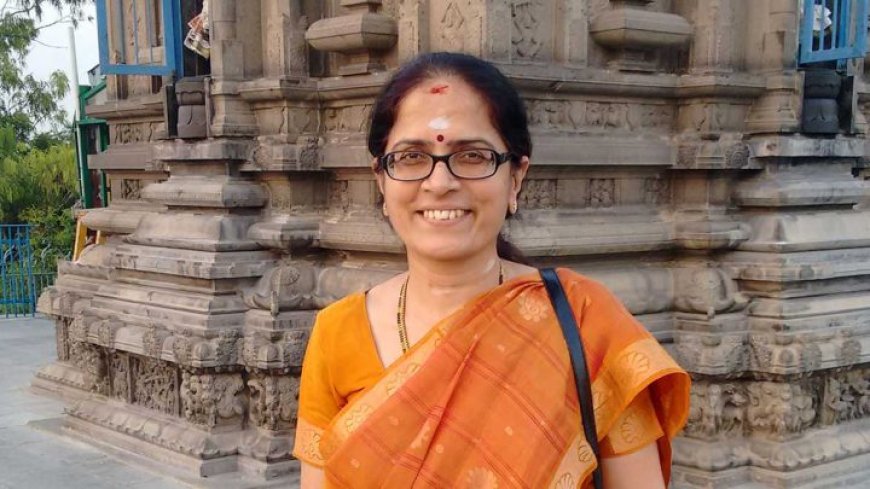
New Delhi — When Senior Advocate Venkita Subramani Mohana takes oath as a judge of the Supreme Court of India, she will enter the history books as only the second woman to be elevated directly from the Bar to the country's highest court.
Her appointment comes eight years after Justice Indu Malhotra became the first woman advocate to receive a direct elevation to the Supreme Court in 2018. The development is significant not only because of its rarity but also because it highlights the continuing conversation around gender representation in India's higher judiciary.
For nearly four decades, Mohana has built her career in courtrooms rather than on the judicial bench. A graduate of Coimbatore Law College, she enrolled as an advocate in 1988 and went on to establish herself as a respected practitioner before constitutional courts. In 2015, the Supreme Court designated her as a Senior Advocate, recognizing her professional standing and contributions to the legal profession.
Throughout her career, Mohana has been associated with several high-profile and constitutionally significant cases. She has appeared in matters concerning permanent commission for women officers in the armed forces, property rights of senior citizens, and litigation surrounding Karnataka's hijab ban, among others.
Her elevation is notable because direct appointments from the Bar remain uncommon in India's judicial system. While the Constitution permits distinguished advocates to be appointed directly to the Supreme Court, most judges reach the apex court after serving in various High Courts across the country.
Mohana now joins a select group of judges who have entered the Supreme Court through this route. Among the current judges directly elevated from the Bar are Justices P.S. Narasimha and K.V. Viswanathan.
She will also become the 12th woman judge in the history of the Supreme Court since its establishment in 1950. Following her appointment, the apex court will have two serving women judges — Justice B.V. Nagarathna and Justice Mohana. Justice Nagarathna is expected to become India's first woman Chief Justice in 2027.
Mohana's appointment has drawn attention not only because of her distinguished legal career but also because it reflects the gradual, though limited, increase in women's representation in the country's highest judicial institutions.
As the Supreme Court expands its strength following the recent increase in sanctioned judicial posts, Mohana's elevation stands out as both a recognition of individual merit and a milestone in the evolving story of diversity within India's judiciary.
For aspiring lawyers, particularly women in the legal profession, her journey from courtroom advocate to Supreme Court judge serves as a reminder that the path to the nation's highest court is not confined to the traditional judicial ladder.