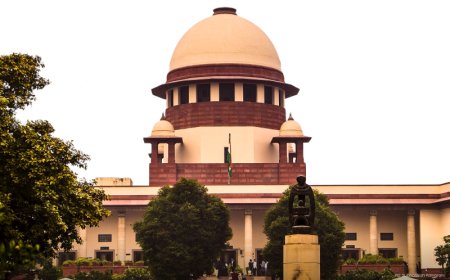
Justice B. V. Nagarathna Calls for Judicial Reforms Commission to Tackle Court Pendency
Justice B V Nagarathna, judicial reforms commission India, court pendency India, Supreme Court judges India, Indian judiciary reforms, case backlog India courts, judicial delays India, legal news India, justice delivery system India, court reforms India
 Verdicto News Desk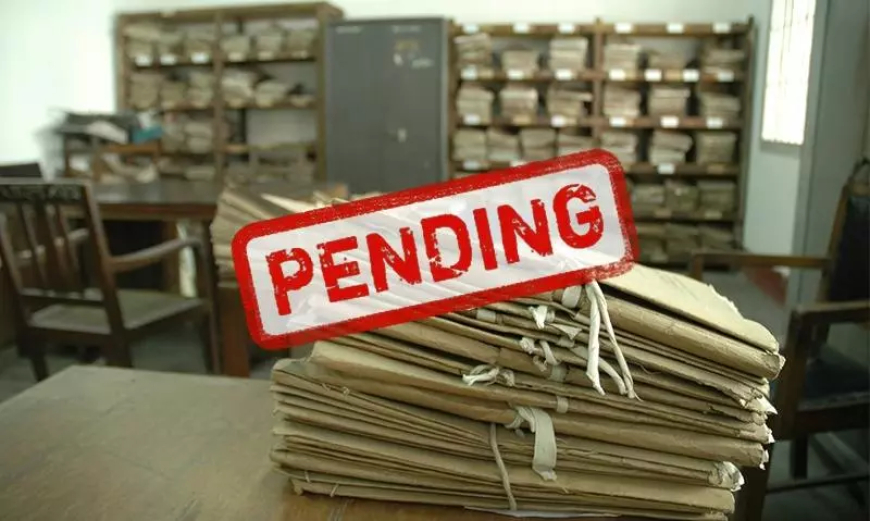
Highlighting the deep-rooted challenges in India’s justice delivery system, Justice B. V. Nagarathna on Saturday called for the establishment of a Judicial Reforms Commission to address the growing problem of pendency in courts across the country.
Speaking at the first National Conference organised by the Supreme Court Bar Association (SCBA), Justice Nagarathna emphasised that delays in justice delivery are not merely procedural but are driven by systemic incentives across stakeholders.
“Pendency is a Systemic Issue”
The conference, themed “Reimagining Judicial Governance: Strengthening Institutions for Democratic Justice,” brought together members of the judiciary, bar, and government to deliberate on institutional reforms.
During a panel discussion titled “From Pendency to Prompt Justice: Rethinking Justice Delivery in Indian Courts,” Justice Nagarathna noted that the issue of pendency requires collective institutional introspection, rather than isolated reforms.
She underscored that incentives embedded within the legal system—affecting judges, lawyers, and litigants alike—often contribute to delays, making reform both urgent and complex.
Proposal for a Broad-Based Judicial Reforms Commission
Justice Nagarathna proposed a multi-stakeholder Judicial Reforms Commission that goes beyond the judiciary and includes representation from:
- The Supreme Court of India
- High Courts and District Judiciary
- Members of the Bar
- The offices of the Attorney General for India and Solicitor General of India
- Bar leadership, including institutional representatives such as Bar Presidents
- Government representatives
She stressed that such a body would facilitate inter-institutional dialogue, which is essential for designing effective and implementable solutions to reduce pendency.
Reimagining Judicial Governance
Justice Nagarathna’s remarks come at a time when Indian courts are grappling with massive case backlogs, raising concerns over access to timely justice and the efficiency of the legal system.
Her proposal signals a shift toward collaborative governance in the judiciary, where reforms are shaped through participation across institutions rather than within silos.
Verdicto Insight:
This call for a Judicial Reforms Commission could mark a significant step toward structural reform, if it translates into actionable policy. The focus on systemic incentives suggests that merely increasing judge strength may not be enough; deeper institutional redesign may be required.
📌 Follow us on YouTube, Instagram, and Twitter for more update.