Sonam Wangchuk NSA Detention Case: When Preventive Detention Ends Before Supreme Court Scrutiny
The detention of Sonam Wangchuk under the National Security Act, 1980 and its revocation before final judicial scrutiny raises key constitutional questions about preventive detention and executive accountability.
 Verdicto News Desk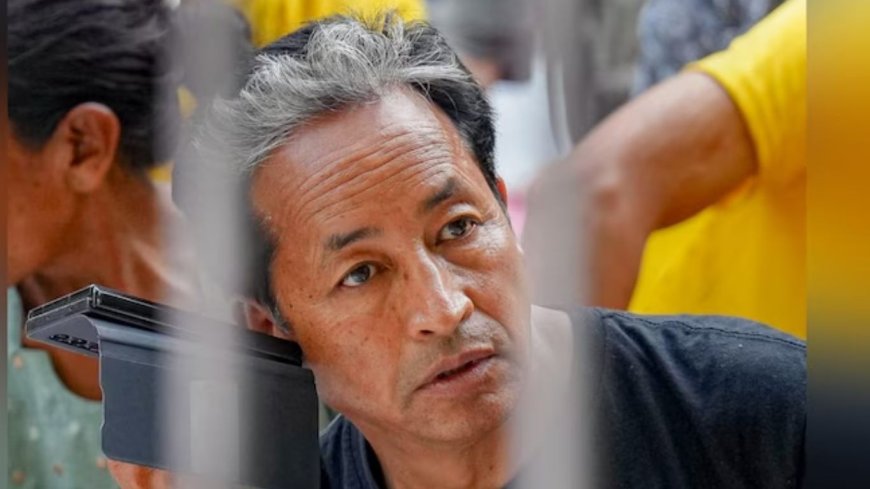
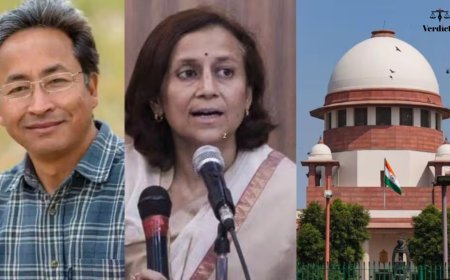
The Union Government on March 14 revoked the preventive detention of Ladakh-based climate activist Sonam Wangchuk under the National Security Act, 1980 while a habeas corpus petition filed by his wife was pending before the Supreme Court of India.
The revocation came just days before the matter was scheduled for further hearing on March 17 before a Bench comprising Justice Aravind Kumar and Justice P.B. Varale. During earlier hearings, the Court had raised several questions regarding the circumstances surrounding Wangchuk’s preventive detention, including the evidence relied upon by authorities and the procedural safeguards followed.
The case has once again brought into focus the constitutional limits of preventive detention and the role of judicial scrutiny in safeguarding personal liberty.
Background of the Detentiona
Wangchuk was detained on September 26, 2025, by the Leh District Magistrate following protests in Ladakh demanding statehood and Sixth Schedule protections. The protests allegedly turned violent, prompting authorities to invoke the NSA.
The detention order alleged that Wangchuk was “indulging in activities prejudicial to national security.” Following his detention in Ladakh, he was transferred to Jodhpur Central Jail in Rajasthan.
On October 3, Wangchuk’s wife, Dr. Gitanjali Angmo, approached the Supreme Court seeking a writ of habeas corpus and challenging the legality of the detention. The Court issued notice to the Union Government on October 6, initiating a series of hearings examining the basis of the detention.
Court Urges Review on Medical Grounds
During the proceedings, the Court also dealt with concerns regarding Wangchuk’s health. An application was filed seeking examination by a specialist physician after he complained of stomach pain, reportedly linked to contaminated water.
After reviewing the medical report, the Court on February 4 urged the Centre to reconsider the detention order.
Justice Varale observed that Wangchuk had already spent nearly five months in detention and noted concerns regarding his health and age. The Bench suggested that the government may consider reviewing the detention in light of these circumstances.
However, the Union Government opposed any release on medical grounds. The Additional Solicitor General argued that Wangchuk was receiving adequate treatment at AIIMS Jodhpur and maintained that preventive detention laws do not permit exceptions on medical grounds.
Court Questions Government’s Interpretation of Speeches
A major aspect of the case revolved around speeches delivered by Wangchuk during the protests.
The Centre alleged that Wangchuk attempted to incite unrest by referring to the Arab Spring and encouraging youth to adopt radical protest methods. Authorities also claimed that he made statements comparing Ladakh’s autonomy with Tibet and Balochistan and encouraged residents not to assist the Indian Army during wartime.
Wangchuk denied these allegations, arguing that his statements were taken out of context. According to his submissions, references to global protests were used merely as examples in response to questions about possible forms of resistance if Ladakh’s demands were ignored.
He maintained that he consistently advocated Gandhian methods of non-violent protest, including hunger strikes.
During the hearings, the Bench repeatedly questioned how the speeches cited in the detention order had a direct nexus with the incidents of violence that occurred during the protests.
At one point, Justice Kumar remarked that the Centre appeared to be “reading too much into” Wangchuk’s speeches. Justice Varale also noted that Wangchuk had expressed concern about young people abandoning non-violent forms of protest.
Questions Over Key Evidence
Another issue raised before the Court concerned four videos referenced in the detention order.
Wangchuk argued that he had not been provided copies of these videos in time to effectively challenge his detention. According to his submissions, the videos—dated September 10, 11 and 24—were supplied only on October 23, nearly a month after the detention order and just a day before the Advisory Board hearing.
Authorities, however, claimed that the grounds of detention were provided within the statutory five-day period prescribed under the NSA and that the Deputy Inspector General of Police personally showed Wangchuk the video materials.
Wangchuk countered that he was merely shown thumbnails of the folders containing the videos and that the video recording of the interaction contained no audio. He also stated that when he later checked the pen drive provided to him, the four videos were missing.
The Court questioned whether any formal endorsement existed confirming that Wangchuk had viewed the videos. Justice Varale asked whether authorities had obtained a written acknowledgement to that effect.
The Bench eventually directed that the pen drive supplied to Wangchuk be produced before the Court in a sealed cover.
Concerns Over Translation of Speeches
The Court also examined the accuracy of translations of Wangchuk’s speeches relied upon by authorities.
Wangchuk’s counsel argued that the translations were misleading and omitted portions of his statements that called for peaceful protests.
The Bench expressed concern over discrepancies between the original speeches and their translated versions. Justice Kumar remarked that if a speech lasted only a few minutes, the translated transcript should not expand significantly beyond the original.
The Court directed the Union Government to produce accurate transcripts along with the original recordings for verification.
Detention Revoked Ahead of Hearing
Despite these ongoing questions, the matter did not proceed to a final adjudication. Ahead of the next scheduled hearing on March 17, the Union Government revoked Wangchuk’s detention order with immediate effect.
The revocation order noted that Wangchuk had already undergone nearly half of the maximum permissible detention period under the NSA.
With the withdrawal of the detention order, the legal challenge before the Supreme Court effectively became infructuous.
A Larger Constitutional Question
The sequence of events in the Wangchuk case highlights a recurring question in preventive detention jurisprudence.
While the executive has the power to revoke detention orders at any stage, withdrawals that occur when judicial scrutiny is nearing completion often leave crucial constitutional issues unresolved.
Preventive detention laws like the NSA permit the State to curtail personal liberty without trial in exceptional circumstances. Yet such extraordinary powers also require strict adherence to procedural safeguards and meaningful judicial oversight.
The Wangchuk episode therefore raises a broader question: what happens when preventive detention orders are withdrawn before courts can conclusively examine their legality?
📌 Follow us on YouTube, Instagram, and Twitter for more updates.