SC Seeks Centre, States’ Responses on Plea Against Aadhaar Being Used as Proof of Citizenship
Supreme Court seeks responses from the Centre and States on a plea challenging the use of Aadhaar as proof of citizenship, domicile, residence, and date of birth, particularly in voter registration.
 Verdicto News Desk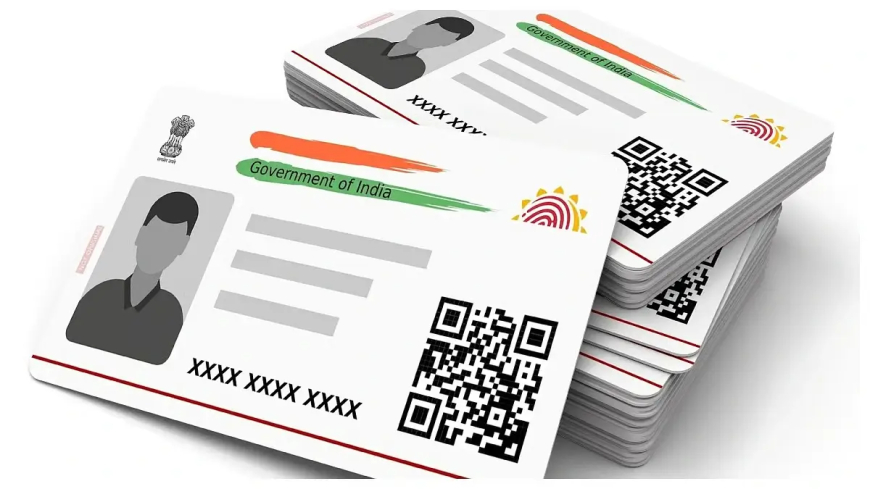
New Delhi, June 16: The Supreme Court on Tuesday issued notices to the Centre, all States, and Union Territories on a petition seeking to restrict the use of Aadhaar solely as proof of identity, arguing that it is increasingly being treated as evidence of citizenship, domicile, residence, and date of birth despite statutory provisions to the contrary.
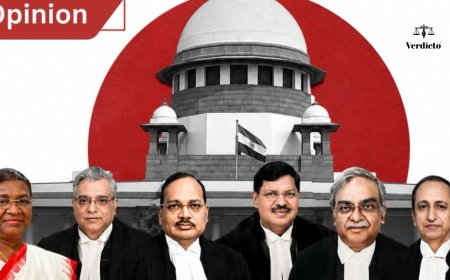
A Bench led by Chief Justice Surya Kant and Justice V. Mohana sought responses from the governments and tagged the matter with similar pending cases.
The petition, filed by advocate Ashwini Kumar Upadhyay through advocate Ashwani Dubey, seeks directions to the Union Government, State Governments, and the Election Commission of India to ensure that Aadhaar is used only for identity verification and not as proof of citizenship, domicile, residential status, or date of birth.
What the Petition Says
The petitioner relies on Section 9 of the Aadhaar Act, 2016, which expressly states that an Aadhaar number shall not, by itself, confer any right of citizenship or domicile. The plea also refers to a 2023 clarification issued by the Unique Identification Authority of India (UIDAI), which states that Aadhaar is only a proof of identity and not proof of citizenship, address, or date of birth.
According to the petition, despite these legal limitations, Aadhaar is routinely accepted as supporting documentation for school admissions, property transactions, birth certificates, ration cards, driving licences, and electoral registration.
The plea argues that such practices dilute the distinction between identity verification and citizenship verification, potentially allowing individuals who are not citizens to obtain official documents and access public services.
Challenge to Voter Registration Process
The petition specifically questions the use of Aadhaar in Form-6, the application form used for fresh voter registration. It contends that accepting Aadhaar as proof of residence and date of birth is inconsistent with the Aadhaar Act, the Representation of the People Act, 1950, and constitutional guarantees under Article 14.
The petitioner has further alleged that the existing verification mechanism under Form-6 is insufficient and may permit inclusion of individuals in electoral rolls without adequate scrutiny of supporting documents.
Demand for Institutional Reforms
Besides seeking restrictions on Aadhaar usage, the plea calls for a comprehensive review of the voter verification framework. It proposes the constitution of a high-powered monitoring committee headed by a retired Supreme Court judge and comprising cybersecurity and forensic experts to oversee reforms and strengthen verification mechanisms.
The matter is expected to raise significant questions regarding the legal status of Aadhaar, the distinction between identity and citizenship, and the safeguards required in electoral registration processes.