OFCD Case: SEBI Moves Supreme Court Against SAT Relief Granted to Sahara Managers, Company Secretary
SEBI has moved the Supreme Court challenging SAT's decision granting relief to Sahara India Commercial Corporation Ltd managers and company secretary in the OFCD case. The plea raises key questions on corporate liability and securities law compliance.
 Verdicto News Desk
New Delhi | June 13, 2026: The Securities and Exchange Board of India (SEBI) has approached the Supreme Court challenging a portion of a Securities Appellate Tribunal (SAT) ruling that granted relief to four managers and the company secretary of Sahara India Commercial Corporation Ltd (SICCL) in the long-running Optionally Fully Convertible Debentures (OFCD) case.
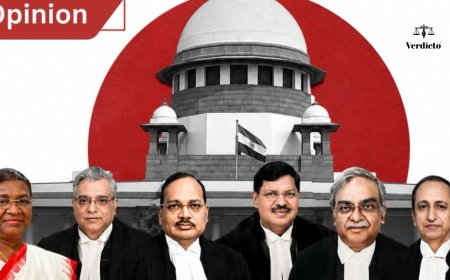
A vacation bench comprising Chief Justice of India Justice Surya Kant and Justice V. Mohana is scheduled to hear SEBI's appeal on June 18.
The regulator's challenge is limited to the SAT's decision exonerating certain company officials from liability while upholding regulatory action against SICCL and its directors.
What Did SAT Hold?
In its March 9 judgment, the Securities Appellate Tribunal upheld SEBI's findings that SICCL's issuance of OFCDs between 1998 and 2008 amounted to a public issue falling within the regulator's jurisdiction.
The tribunal found that SICCL mobilised approximately ₹14,106 crore from nearly 1.98 crore investors through the debenture scheme. Given the scale of fund mobilisation and the number of subscribers involved, SAT rejected the company's argument that the issuance constituted a private placement.
Consequently, the tribunal dismissed appeals filed by SICCL and its directors.
However, SAT granted relief to four managers and the company's secretary, holding that they acted as employees and could not be personally held responsible for the company's regulatory violations.
The tribunal further noted that the company secretary had signed the prospectus under powers of attorney issued by the directors, who remained legally accountable as principals for the actions undertaken by their authorised agent.
Why Has SEBI Approached the Supreme Court?
SEBI has now challenged this aspect of the tribunal's ruling, seeking the Supreme Court's intervention on the question of whether senior managerial personnel and company secretaries can escape liability in cases involving large-scale securities law violations.
The appeal raises important questions regarding the extent of responsibility of corporate officers involved in issuing offer documents and executing decisions that later come under regulatory scrutiny.
Background of the Case
The proceedings arise from an October 2018 SEBI order directing SICCL to refund money raised through the OFCD scheme, furnish details of its inventory and assets, and imposing market-access restrictions on certain officials.
The Sahara OFCD matter remains one of India's most significant securities regulation cases, involving allegations of unlawful public fund mobilisation from millions of investors and continuing litigation over corporate accountability and investor protection.