Telegram Challenges India's NEET Exam Ban in Delhi High Court, Citing 150 Million Affected Users
Telegram has challenged India's government in the Delhi High Court after MeitY issued a temporary ban on the platform under Section 69A of the IT Act ahead of the NEET-UG 2026 re-examination on June 21. Over 150 million users are affected.
 Verdicto News Desk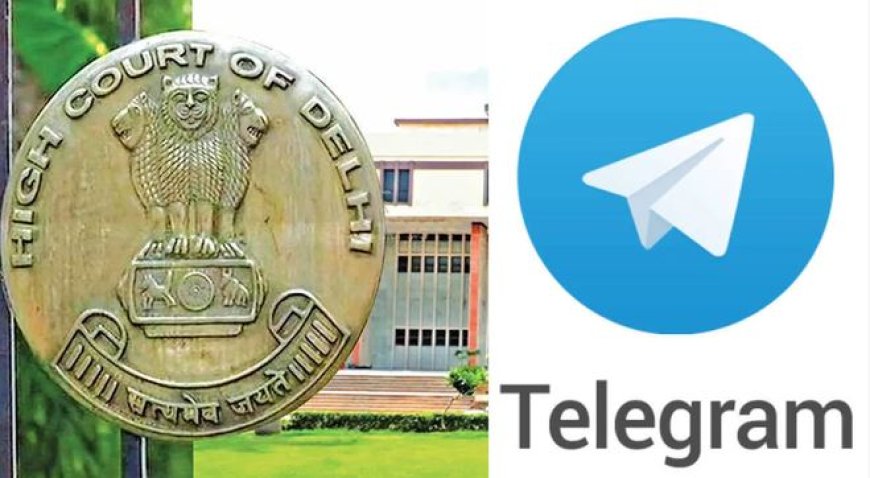
New Delhi | June 17, 2026: Messaging giant Telegram on Wednesday approached the Delhi High Court to challenge a government order temporarily restricting access to the platform in India, days before the high-stakes NEET-UG 2026 re-examination scheduled for June 21.
The petition was mentioned before a vacation bench of Justice Tejas Karia, who agreed to list the matter for urgent hearing. The case is expected to be taken up shortly.
Telegram's legal counsel informed the court that the Centre's action, taken on Tuesday, had impacted over 150 million users across India.
What Did the Government Order?
The Ministry of Electronics and Information Technology (MeitY), acting on a recommendation from the National Testing Agency (NTA), issued the blocking directive under Section 69A of the Information Technology Act, 2000 — a provision that allows the government to restrict online platforms in the interest of public order, national security, or sovereignty.
The order has two distinct components:
- Platform-wide access block in India, effective until June 22, 2026 — covering the day of the NEET-UG re-examination and its immediate aftermath.
- Disabling of the message-editing feature for already-posted messages within India, until June 30, 2026 — targeting a specific Telegram function alleged to have been exploited by cheating networks.
Why Was Telegram Targeted?
The NTA said both measures were taken in response to the "organised use of the platform by cheating rackets" to defraud candidates appearing for the NEET-UG 2026 re-examination.
Specifically, authorities flagged Telegram's message-editing feature as a tool used to fabricate after-the-fact evidence of paper leaks in national examinations — a tactic in which messages are altered after being posted to make it appear as though exam content was circulated in advance.
"Both measures have been taken in the interest of public order," the NTA said in a statement on Tuesday.
Legal Battle Ahead
Telegram's decision to approach the High Court on an urgent basis signals the company's intent to fight the order, which it argues has caused sweeping collateral damage to millions of ordinary users who rely on the platform for communication, business, and information.
The Delhi High Court's ruling, expected imminently given the time-sensitive nature of the ban and the June 21 exam date, could set a significant precedent for how India applies Section 69A orders against major global platforms in the context of examination integrity.
The NEET-UG re-examination is being closely watched after controversies surrounding earlier sittings. India conducts the exam to determine undergraduate medical college admissions across the country, with millions of students competing for a limited number of seats.