Supreme Court Declines Plea Seeking Guidelines for Time-Bound Disposal of Cases
The Supreme Court dismissed a plea seeking uniform guidelines for time-bound disposal of cases and regulation of adjournments, saying the issue should be taken up with Bar Councils and Bar Associations.
 Verdicto News Desk
New Delhi, June 4: The Supreme Court on Thursday declined to entertain a petition seeking the formulation and implementation of guidelines for the time-bound disposal of cases across courts in India.
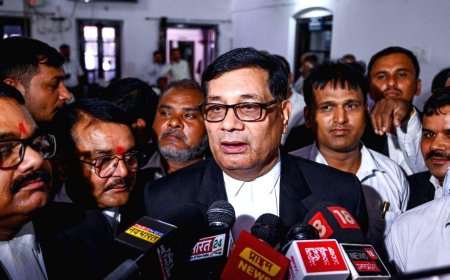
A Bench comprising Justice Vikram Nath and Justice V. Mohan dismissed the plea filed by a lawyer appearing in person. The petition sought the framing of uniform, structured, and enforceable guidelines to regulate adjournments and streamline the disposal of cases.
During the hearing, the petitioner argued that frequent and unregulated adjournments contribute significantly to delays in the justice delivery system and sought judicial intervention to address the issue.
The Bench, however, suggested that concerns relating to adjournments should be raised before professional bodies representing the legal fraternity.
“You go to the Bar Council of India, State Bar Council, High Court Bar Associations and District Court Bar Associations,” the Court observed.
In a lighter exchange during the proceedings, the Bench remarked, “We don't want to take enmity with the lawyers. We are friends with the lawyers.”
The petition also sought the formulation of a uniform national case flow management policy applicable to courts across the country. It proposed stage-wise timelines for proceedings, regulation of adjournments, continuous and day-to-day hearings in appropriate matters, and priority disposal of long-pending cases.
The plea highlighted concerns over judicial delays and sought systemic reforms to improve the efficiency of court proceedings. However, with the dismissal of the petition, the Supreme Court declined to issue directions on the proposed framework.
The order comes amid continuing discussions on judicial pendency and the need for procedural reforms to improve the speed and efficiency of India's justice delivery system.