Delhi HC Issues Notice to NDTV in Anil Ambani’s ₹2 Crore Defamation Suit Over ED-CBI Coverage
The Delhi High Court issued notice to NDTV and Rahul Kanwal in Anil Ambani’s ₹2 crore defamation suit over ED and CBI coverage involving Reliance Group companies.
 Verdicto News Desk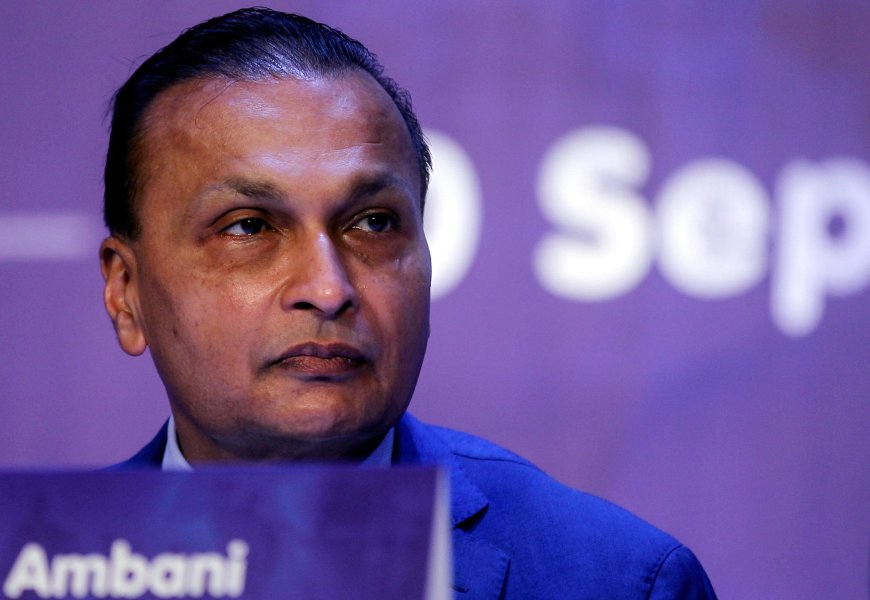
The Delhi High Court on Thursday issued notice to NDTV, its parent company AMG Media Networks Limited, and senior editorial officials after businessman Anil Ambani filed a defamation suit alleging that the media house carried a sustained campaign to damage his reputation through its reporting on ongoing CBI and ED investigations involving Reliance Group companies.
Justice Subramonium Prasad sought responses from NDTV and others on Ambani’s plea seeking interim relief against the publication of allegedly defamatory reports. The matter has been listed for further hearing on July 18.
Ambani has sought damages exceeding ₹2 crore, stating before the Court that the compensation, if awarded, would be donated to charity.
Ambani Alleges “Targeted Smear Campaign”
In his plea, Ambani argued that NDTV and affiliated entities published 72 “pointed” reports against him over recent months in connection with investigations by the Central Bureau of Investigation (CBI) and Enforcement Directorate (ED).
According to the suit, NDTV repeatedly named Ambani personally even when proceedings or arrests were linked to Reliance Group entities rather than him individually.
Appearing for Ambani, advocate Shri Venkatesh argued before the Court:
“Every time a person is arrested… I am distinct from the entity [Reliance], and the persons being arrested belong to that entity.”
The suit alleges that NDTV’s reporting was designed to damage Ambani’s reputation, influence public perception against Reliance Infrastructure and Reliance Power, and create panic in financial markets.
Adani Group Mentioned in Plea
A significant aspect of the plea concerns NDTV’s ownership structure.
Ambani alleged before the High Court that the Adani Group — the majority stakeholder in NDTV through AMG Media Networks — is interested in taking over his companies and that the allegedly defamatory reporting forms part of a broader “predatory strategy.”
The plea states:
“The ultimate owners of Defendant Nos. 1 - 3 have launched a deliberate, targeted, and relentless smear campaign against the Plaintiff, so as to derive unjust gains by injuring the Plaintiff's reputation, goodwill, and well-being.”
Apart from NDTV and Rahul Kanwal, Ambani has also arrayed IANS, Manoranjan Bharti, Tamanna Inamdar, and Ashish Manchanda as defendants.
Court Notes Article 19 Concerns
During the hearing, Justice Subramonium Prasad observed that the matter concerns free speech protections under Article 19(1)(a) of the Constitution and indicated that an injunction could not be granted without hearing the media organisation.
“Article 19(1)(a)… I have passed orders like that, but not on the first date,” the Court observed.
The judge noted that such interim injunctions involving media reporting require careful judicial consideration due to constitutional protections surrounding press freedom.
Reports Challenged by Ambani
Ambani’s counsel specifically referred to reports that allegedly linked him personally to actions against Reliance entities.
One NDTV report reportedly stated that assets worth ₹1,400 crore had been attached in a case “against Anil Ambani,” while counsel argued that the proceedings were actually against Reliance-linked entities.
Another report allegedly suggested that Ambani had been restrained from leaving the country. Counsel clarified before the Court that Ambani had merely furnished an undertaking and was not formally barred from travel.
The Legal Question
The dispute now places two competing constitutional concerns before the Court:
- the right to reputation under Article 21,
- and freedom of speech and press under Article 19(1)(a).
Indian courts have repeatedly held that while the press enjoys broad protections in reporting matters of public interest, media organisations must also ensure fairness, accuracy, and avoid imputations unsupported by official proceedings.
The Delhi High Court’s eventual ruling may therefore have broader implications for the limits of media reporting in high-profile financial investigations and corporate disputes.
Follow Verdicto on WhatsApp for legal news and constitutional explainers.