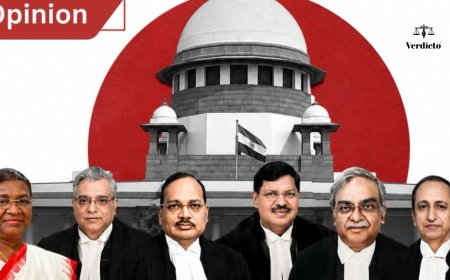
Supreme Court reopens Sabarimala Temple case ahead of Kerala polls
The Supreme Court resumes hearing the Sabarimala temple entry case, focusing on women’s access and the larger debate between religious practices and constitutional equality.
 Verdicto News Desk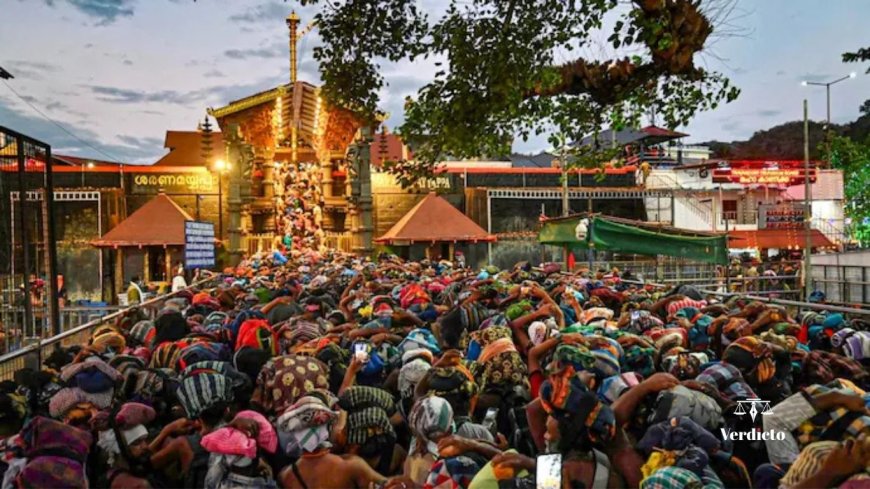
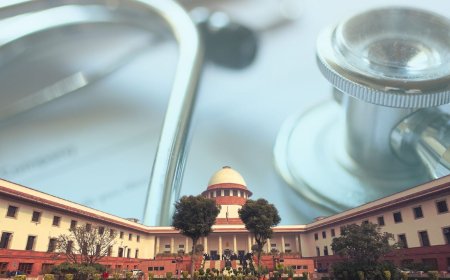
The Supreme Court has resumed hearings in the Sabarimala Temple entry case, a matter of immense constitutional and social significance. At the heart of the debate is whether women between the ages of 10 and 50 should be allowed entry into the temple.
Representing the government, Solicitor General Tushar Mehta stood before the bench with conviction. He argued that the issue was not merely legal but spiritual in nature. According to him, matters of faith should remain beyond the scope of judicial interference. “Not everything,” he stated firmly, “can be measured by modern ideas of rationality or equality.”
He explained that every religious group or denomination has its own customs and practices, which deserve respect. To support his argument, he drew comparisons with traditions followed in other places of worship, such as covering one’s head in a gurudwara or a mazar. These practices, he emphasized, do not take away a person’s dignity but instead reflect devotion and discipline.
Inside the courtroom, the atmosphere was serious and contemplative. The judges listened carefully, aware that their decision would have far-reaching consequences. This was not just about one temple, it was about defining the limits of religious freedom in a constitutional democracy.
The debate also revisited the landmark 2018 judgment, in which the court had allowed women of all ages to enter the temple, declaring the earlier restriction unconstitutional. However, the issue did not end there. In 2019, the matter was referred to a larger bench to examine broader questions about religious freedom and equality across different communities.
As arguments continued, the government raised concerns about the concept of “constitutional morality.” It argued that the term was not clearly defined in the Constitution and could lead to subjective interpretations. If courts began to judge religious practices based on such ideas, it might result in overreach, where judicial views replace traditional beliefs.
Outside the courtroom, the nation remained divided. Many supported the right of women to enter the temple, seeing it as a step toward equality and justice. Others believed that the tradition was an essential part of their faith and should not be altered.
The case also highlighted India’s diversity, where multiple religions coexist, each with its own customs and beliefs. The government pointed out that courts may not always have the expertise to interpret religious texts or understand the depth of such traditions.
As the hearing progressed, it became clear that the it was not simply about access to a temple. It was about balancing two powerful forces, faith and fundamental rights.
In the end, the courtroom stood as a symbol of India itself—a place where tradition meets modernity, and where difficult questions seek thoughtful answers. The final verdict was yet to come, but the discussion had already left a lasting impact, reminding everyone that in a nation as diverse as India, harmony lies in understanding both belief and law.
📌 Follow us on YouTube, Instagram, and Twitter for more updates.