Liquor in Tetra Packs Row: Supreme Court Refuses Intervention, Asks Petitioner to Move State Authorities
The Supreme Court disposed of a PIL challenging the sale of liquor in tetra packs under the UP Excise Policy, noting no clear policy record and allowing the petitioner to approach state authorities.
 Verdicto News Desk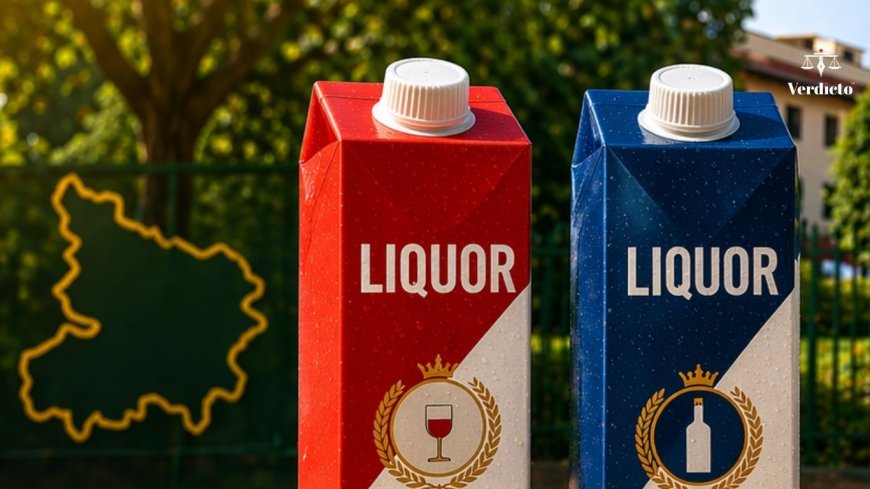
The Supreme Court declined to hear a Public Interest Litigation (PIL) seeking a ban on the sale of liquor in tetra packs in Uttar Pradesh and advised the petitioner to raise the issue before the concerned state authorities. The Court clarified that the matter should first be decided at the administrative level. While disposing of the petition, the Supreme Court granted the petitioner the liberty to submit a copy of the writ petition as a representation before the competent administrative authority.
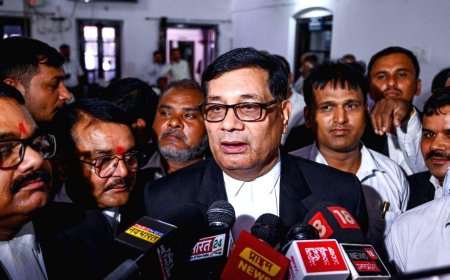
Appearing before the bench led by Chief Justice Suryakant, petitioner’s counsel Ashok Pandey argued that liquor sold in tetra packs is easily reaching educational institutions, thereby affecting their environment. He also contended that such sales and consumption could contribute to an increase in crime.
While hearing the PIL challenging the Uttar Pradesh excise policy, the Supreme Court made an important observation that there is no concrete document on record to establish that the state policy explicitly permits the sale of liquor in tetra packs. The Court said that in the absence of the relevant policy document, it would not be appropriate to make detailed comments on the issue, and accordingly disposed of the petition.
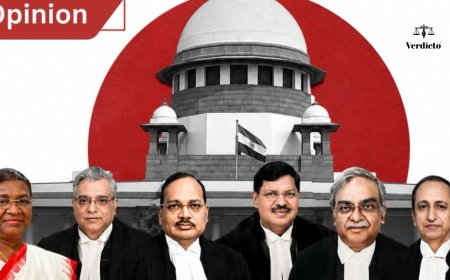
The Supreme Court disposed of the matter on Thursday after hearing the PIL regarding the sale of liquor in tetra packs in Uttar Pradesh. A bench comprising Chief Justice of India Suryakant, Justice Joymalya Bagchi, and Justice Vipul Pancholi stated that no sufficient record had been presented before the Court to conclude that the state’s excise policy explicitly allowed such sales.
During the hearing, the petitioner’s counsel argued that making liquor available in small tetra packs could have serious social consequences. He stated that such packaging could make alcohol more accessible and appear more normal among children and adolescents. He also expressed concern that children might carry tetra packs to schools or classrooms as if they were ordinary beverages. In response, the Chief Justice remarked that the nature of packaging does not, by itself, determine how a product will be consumed. The Court orally observed, “Those who want to buy it will buy it.” The Court also asked whether there were any examples showing such packaging infiltrating educational institutions.
In its order, the bench recorded that the material on record does not indicate any explicit permission in the excise policy for the sale of liquor in tetra packs. However, the Court noted that an administrative decision dated February 4 suggests that small packaging of liquor may have been permitted. Since the relevant policy document was not placed before the Court, it deemed it inappropriate to make a definitive observation on this aspect. On this basis, the Supreme Court disposed of the petition, granting the petitioner the liberty to submit a representation before the competent administrative authority, which may examine the issues raised.
It is noteworthy that last year as well, a bench led by Justice Suryakant had expressed concern over the sale of liquor in tetra packs during the hearing of another case. At that time, the Court had observed that such packaging could make it easier for students to conceal and bring alcohol into schools.
Key Points:
The Supreme Court disposed of the PIL filed against the UP excise policy.
The Court found no clear policy permission on record for the sale of liquor in tetra packs.
A February 4 administrative decision संकेत indicates possible permission for small packaging.
The petitioner argued that this could increase access to and normalization of alcohol among children.
The Court allowed the petitioner to submit a representation before the competent administrative authority.
📌 Follow us on YouTube, Instagram, and Twitter for more updates.