Supreme Court Rejects Plea to Recognize ‘Brahmophobia’ as Punishable Hate Speech
The Supreme Court dismissed a petition seeking to recognize “Brahmophobia” as punishable hate speech against the Brahmin community, emphasizing fraternity and social awareness over judicial intervention.
 Verdicto News Desk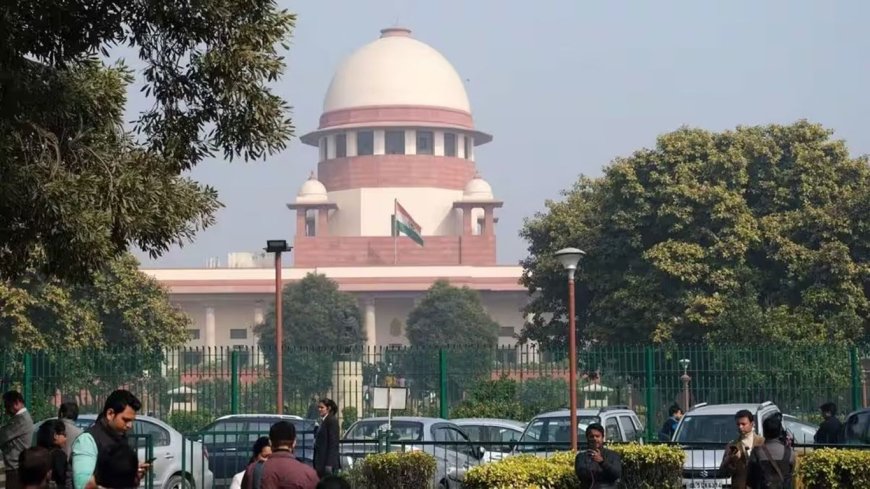
The Supreme Court refused to entertain a petition that sought recognition of alleged hate speech against the Brahmin community, termed as “Brahmophobia,” as a punishable form of caste-based discrimination.
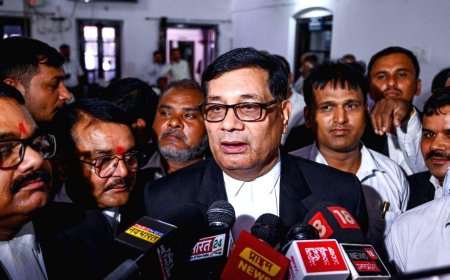
A bench led by Justice BV Nagarathna dismissed the plea after hearing the submissions of the petitioner, Mahalingam Balaji, who appeared in person. The petitioner later sought permission to withdraw the petition in order to approach an appropriate forum. The apex court allowed the withdrawal and dismissed the plea accordingly.
During the hearing, Justice Nagarathna observed that there should be no hate speech against any community and emphasized that such issues can be addressed by promoting fraternity. She stated, “We do not want hate speech against any community. It depends on education, intellectual development, tolerance, and patience. Once everyone follows fraternity, hate speech will automatically cease.”
In his petition, Balaji had sought directions to the Union and State governments to officially recognize hate speech against the Brahmin community—described by him as “Brahmophobia”—as a punishable form of caste-based discrimination, and to take prompt legal action against such instances in mainstream and social media.
He also requested a comprehensive investigation by central and state agencies into alleged coordinated domestic or foreign campaigns aimed at inciting caste conflict or promoting targeted hatred or genocide against the Brahmin community.
The petitioner further sought directions to disqualify any public servant or constitutional office holder found engaging in caste-based hate speech against Brahmins, and to require NGOs to adopt a code of conduct prohibiting such speech.
Additionally, he urged that NCERT be directed to remove “misleading assertions portraying Brahmins negatively,” and that the Union Government be asked to present a white paper on issues of hate and discrimination faced by Brahmins, along with steps taken to address them.
The Court, however, remarked that the concerns raised by the petitioner could be taken up before appropriate forums, but not before the judiciary. It also emphasized the need to promote fraternity and social awareness.
📌 Follow us on YouTube, Instagram, and Twitter for more updates.