ED vs. Mamata Banerjee: Supreme Court Questions Objections to ED Plea Against Mamata Banerjee
The Supreme Court questioned objections to the ED’s Article 32 plea against Mamata Banerjee over alleged interference during I-PAC search operations.
 Verdicto News Desk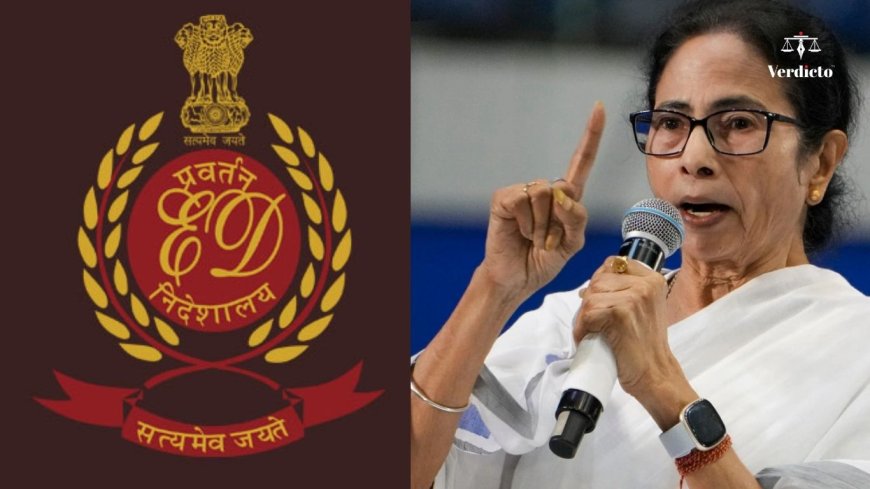
The Supreme Court on Tuesday raised critical questions over objections to the maintainability of a petition filed under Article 32 by the Enforcement Directorate (ED), concerning alleged interference by West Bengal Chief Minister Mamata Banerjee in search operations conducted at the offices of political consultancy firm I-PAC.
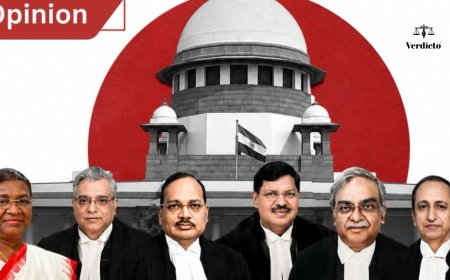
A bench comprising Justices PK Mishra and NV Anjaria observed that, apart from the ED as an institution, some officers of the agency had also approached the Court in their individual capacity. The Court emphasized that the matter should not be viewed solely as an institutional grievance but also as one involving the fundamental rights of individual officers.
Justice Mishra questioned whether ED officials cease to be citizens entitled to fundamental rights merely because they serve in the agency. He cautioned the opposing counsel against ignoring the petitions filed by individual officers, who claim to be victims of alleged obstruction during the discharge of their duties.
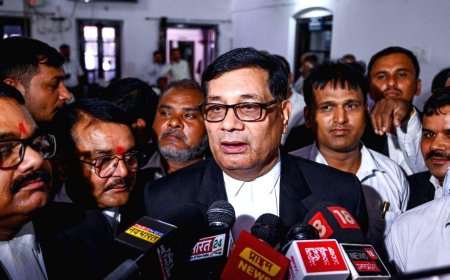
Senior Advocate Kapil Sibal, representing the West Bengal government, argued that the ED’s plea was not maintainable under Article 32. He contended that obstruction in the performance of statutory duties does not amount to a violation of fundamental rights and that existing statutory remedies, such as approaching the police, were available. Sibal further stated that allowing such petitions could open the floodgates for similar claims by law enforcement officers, thereby disrupting the framework of criminal law.
He also maintained that the right to investigate is statutory, not fundamental, and therefore its alleged violation cannot be adjudicated under Article 32.
The Court, however, rejected suggestions to defer the hearing due to the upcoming West Bengal Assembly elections. Justice Mishra firmly stated that the judiciary would not align itself with electoral considerations or alleged criminal conduct.
The case stems from an incident on January 8, when Banerjee allegedly entered the premises of I-PAC during ED searches linked to a money laundering investigation involving businessman Anup Majee. The ED claims that crucial documents and electronic evidence were removed during the intervention and has sought a CBI probe into the matter.
Earlier, the Court had observed that failure to examine the issues raised could lead to lawlessness, and accordingly issued notices to Banerjee and other state officials. The West Bengal government has denied any obstruction, citing ED’s own records.
📌 Follow us on YouTube, Instagram, and Twitter for more updates.