Not Guilty in Excise Policy Case: The Road Ahead for Arvind Kejriwal
A Delhi court acquits Arvind Kejriwal in the excise policy case, finding no criminal intent. With a CBI appeal likely, what lies ahead legally and politically?
 Verdicto News Desk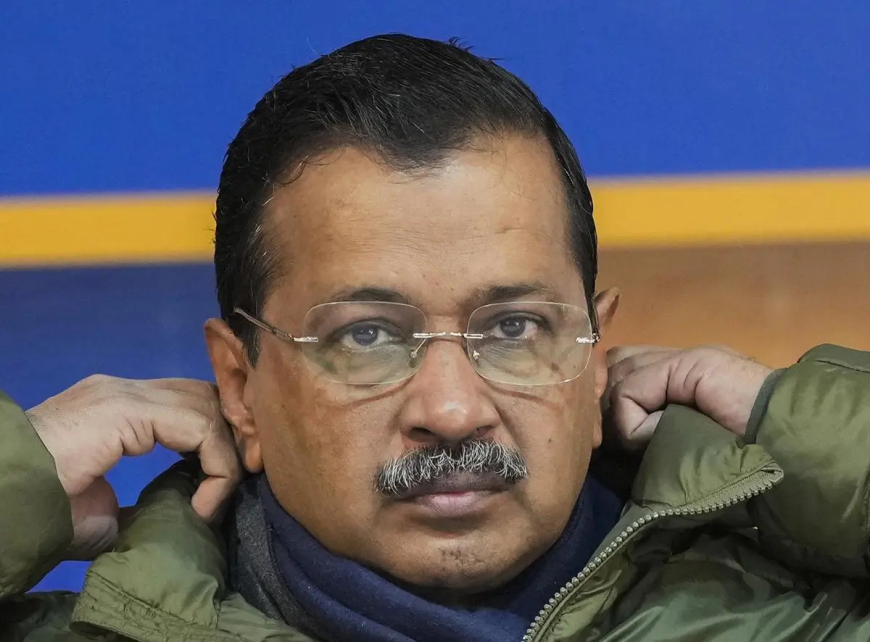
A Delhi court has acquitted former Delhi Chief Minister Arvind Kejriwal, former Deputy Chief Minister Manish Sisodia, and other accused in the alleged 2022 Delhi excise policy corruption case, holding that the prosecution failed to establish criminal conspiracy or intent.
In its judgment, the court observed that the allegations advanced by the Central Bureau of Investigation “lacked substance” and did not meet the threshold required to sustain criminal charges.
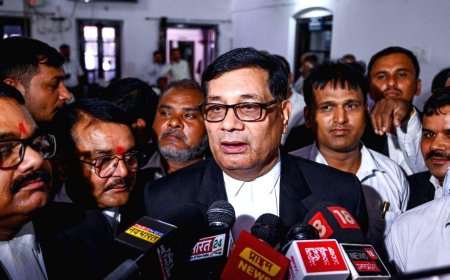
Reacting to the verdict, Aam Aadmi Party Legal Cell President Advocate Sanjiv Nasiar stated that the case was politically motivated and emphasized that the court found no criminal intent on the part of Kejriwal.
Court’s Legal Findings
The ruling marks a significant development in one of the most politically contentious corruption probes involving a sitting chief minister in recent years. According to the court’s reasoning:
- No evidence of a criminal conspiracy was established.
- The prosecution failed to demonstrate intent to commit corruption.
- The evidentiary material presented did not substantiate the core allegations.
The decision underscores a fundamental principle of criminal law: mere suspicion or procedural irregularity cannot substitute proof of criminal intent beyond reasonable doubt.
For legal observers, the judgment reflects the judiciary’s insistence on strict evidentiary standards in corruption prosecutions involving public policy decisions.
CBI Likely to Challenge the Verdict
Despite the acquittal, the Central Bureau of Investigation is expected to file an appeal. Sources indicate that the agency is examining the judgment and preparing to approach a higher appellate court.
If pursued, the appeal will reopen legal scrutiny of the excise policy framework and the decision-making process underlying it. The case may therefore continue to evolve through appellate litigation.
Political Implications for Delhi and Beyond
The verdict carries immediate political consequences. Soon after the ruling, Kejriwal asserted that his party would perform strongly if elections were held in Delhi today.
Political analysts suggest the acquittal may help the Aam Aadmi Party reposition itself after electoral setbacks, particularly following the 2025 Delhi Assembly election in which the party’s seat tally dropped significantly while the Bharatiya Janata Party formed the government.
Experts also note that relief from corruption charges could reshape opposition politics ahead of future contests in states such as Punjab and Gujarat, where AAP remains a key political actor.
However, analysts caution that legal vindication does not automatically translate into electoral recovery, especially given parallel controversies that affected public perception in recent years.
Legal Significance: Burden of Proof in Policy Decisions
Beyond politics, the case raises broader constitutional and criminal law questions about:
- Criminal liability in public policy formulation
- Standards of proof in corruption prosecutions
- Investigative thresholds in governance decisions
The judgment may be cited in future cases involving alleged irregularities in executive policy-making, particularly where criminal conspiracy is inferred from administrative decisions.
What Comes Next
With a likely appeal pending, the excise policy case may transition from a trial-level adjudication to appellate review, keeping both legal and political stakes high.
For now, the trial court’s verdict represents a significant judicial determination on evidence, intent, and accountability in public office.